In short
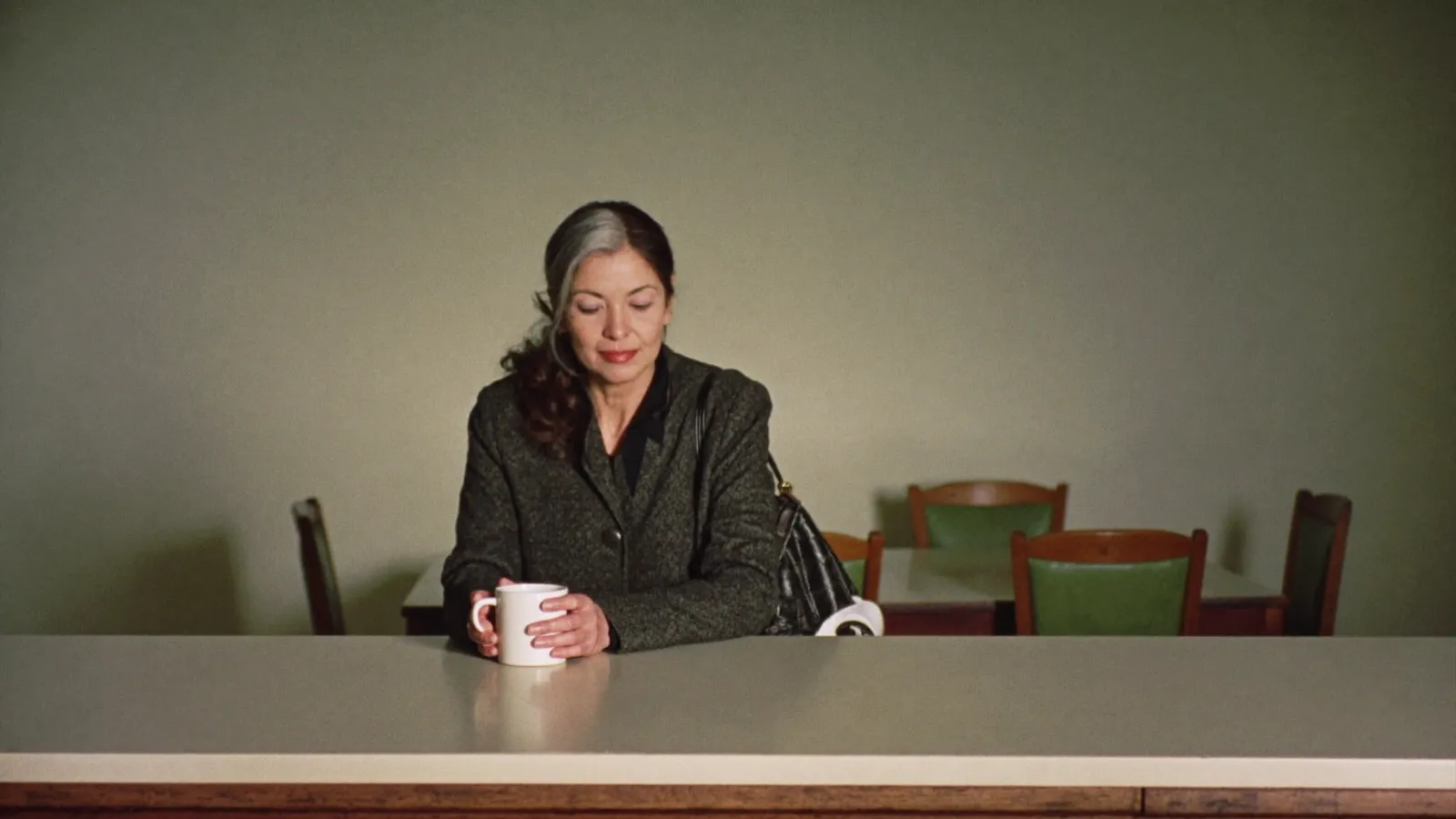
Self-abandonment is the habit of overriding your own needs, limits, feelings and opinions to keep other people comfortable. It runs as a hundred small edits a week, made so fast you stop registering them, until you can describe what everyone else wants and go blank on what you want.
New here? The free Sacred Path quiz reads which of these patterns is running you, in about ninety seconds.
Someone asks where you would like to eat, and something happens so fast you would not call it a thought.
You scan the table. You work out who has the strongest preference, who is tired, who will complain later. Then you hear yourself say you honestly do not mind.
You did mind. There was half a second where you knew exactly what you wanted, and it passed through you like a bird through a room.
That half-second is where self-abandonment lives.
What is self-abandonment?
Self-abandonment is the habit of overriding your own needs, limits, feelings or opinions in order to keep other people comfortable.
It is small, constant and fast. A hundred edits a week, each one sensible on its own, made so automatically that you stop registering them as choices at all.
The word sounds severe for something so ordinary. That is the point. It describes a quiet process, which is why it can run for twenty years without anybody, including you, naming it.
What does self-abandonment look like day to day?
It looks like competence, which is why it goes unnamed. Day to day it is agreeing before you have decided, saying you do not mind when you do, and going blank when somebody asks what you want.
- You agree to something before you have worked out whether you want it
- You say you do not mind when you do mind
- You eat standing up while everyone else sits down
- You move your own appointment to protect somebody else's
- You start an opinion and soften it halfway through the sentence
- You are the only person in the house whose preferences nobody could name
- Asked what you want, you go genuinely blank, and it feels like having no personality at all
Each of those is small enough to defend. Together they describe a woman who has quietly taken herself off her own list. The wider version of that arrangement is mapped in the strong one.
Is self-abandonment the same as being selfless?
No. Generosity is a choice made from a full account, and it costs something you can afford to spend.
| Generosity | Self-abandonment | |
|---|---|---|
| Is it chosen? | Yes, with the cost known | Automatic, before you notice |
| Could you say no? | Yes, without dread | No, or not without a jolt of fear |
| What it costs | Something you can spare | Whatever is left, and then some |
| How you feel after | Warm, and still yourself | Flat, resentful, or oddly absent |
| Who knows about it | Both of you | Nobody, including you |
The test that settles it is the second row. If no was never actually available in that moment, the giving was still real. It just was not chosen.
This also explains the resentment that shows up in women who would describe themselves as happy to help. Resentment is usually evidence that the giving stopped being chosen a long time ago, which is the territory of the resentment of being needed.
Why does this happen to capable women?
Because it worked early, and because it was rewarded.
If you grew up in a house where your needs landed badly, or landed on somebody already overwhelmed, you learned early to scan first and ask second. That scanning gets praised, and the habit that earned the praise is the same one costing you now. It is traced further back in eldest daughter syndrome.
Then adulthood confirmed it. A woman who never states a preference is easy to build a household around, so a household gets built around her. Nobody conspired. Water found the path of least resistance, and the path of least resistance was the person who kept saying she did not mind.
Underneath both is often the belief that your needs cost more than other people's, which gets its own guide in the fear of being a burden.
What does self-abandonment look like in a relationship?
In a relationship it is the same reflex aimed at one person, running for years.
It sounds like agreeing with a film you do not want to watch, laughing at a joke that stung, dropping a subject because his face changed, going along with a plan you would have vetoed at twenty-five. It sounds like the phrase you have said so many times it no longer means anything: it's fine, honestly.
The confusing part is that it can look like a good marriage from the outside, and sometimes it is one. A partner cannot honour a preference he has never once heard.
One exception, and please read it before you try anything. If you override yourself because he punishes you for having needs, with anger, silence, money, or a story about how difficult you are, that is not a habit to unlearn on your own. In the UK, the National Domestic Abuse Helpline is 0808 2000 247, free and open 24 hours. In the US, the National Domestic Violence Hotline is 1-800-799-7233, and you can text START to 88788 if a call is not safe. Both will talk to you about a situation you are not sure how to name.
If it is safe to test, the first move is rarely a confrontation. Saying one small true thing out loud, and finding out what actually happens, is usually enough to start.
How do you stop abandoning yourself?
You stop by catching the override earlier in the sequence, in small doses, rather than by making a stand.
- Catch the half-second. Before any of the rest, practise noticing the signal without acting on it. Say it silently: I wanted the other restaurant. At first you will catch it ten minutes late, in the car, and that still counts. Detection comes back before choice does, and you cannot honour a need you cannot detect.
- Answer before the scan finishes. When somebody asks what you want, give them the first answer that arrives, the one that lands before you have worked out who would be inconvenienced by it. The scan is the machinery. Beating it by a single second is most of the skill.
- Then practise the small version out loud. One low-stakes preference a day, deliberately chosen so that nobody will fight you over it. The coffee you actually want. The film you would pick. It will feel rude long before it sounds rude to anybody else, the same way it does with over-apologizing. The twin of this habit is turning down help as fast as it arrives, which learning to receive works on from the other side, and if saying no is the impossible part, it gets its own guide in why can't I say no.
- Notice which room is hardest. It is often one specific relationship rather than all of them. That is useful information, and it tells you where the real work is.
What comes back
Not a different personality. The one that was there before it became inconvenient.
Preferences return first, and they return small: you want the window open, you would rather not go, you like that one. They feel trivial and slightly embarrassing. They are the first signals from a woman who has been running on other people's settings for a long time.
You are allowed to want the other restaurant. You were allowed the whole time, and the table would have survived it.
The habit of disappearing politely usually started long before this marriage, this job or these children. The free Sacred Path quiz names the pattern underneath it in about two minutes, and it only asks what you want.
This is reflection for self-understanding, not therapy or medical advice. If you are overriding your own needs because someone punishes you for having them, that is a different situation, and support for it is listed inside this article.
Common questions
What is self-abandonment?
Self-abandonment is the habit of overriding your own needs, limits, feelings or opinions in order to keep other people comfortable. It usually runs automatically. The signal arrives, you notice it for half a second, and you set it aside so quickly that you would struggle to say afterwards what you actually wanted.
What does self-abandonment look like day to day?
It looks like agreeing before you have decided, saying you do not mind when you do, eating standing up while everyone else sits, cancelling your own appointment to keep someone else's, softening an opinion mid-sentence, and answering "whatever you want" so often that you stop knowing the other answer. Each one is small. The habit is the size of a life.
Is self-abandonment the same as being selfless?
No. Generosity is a choice made from a full account, and it costs something you can afford. Self-abandonment is automatic, unmeasured, and it runs whether or not you have anything left. A useful test is whether you could say no in that moment without a wave of dread. If no was never available, it was not generosity.
How do you stop abandoning yourself?
Not by a grand stand. Start by noticing the moment the signal arrives and naming it silently, without acting on it, because you cannot honour a need you cannot detect. Then practise one small, low-stakes preference out loud a day, so you show yourself by repetition that having a want did not cost you the relationship.
If any of this felt like it was written about you, that is exactly what the free Sacred Path reading is for. It names your pattern and the doorway back to yourself.