In short
Learning to receive means relearning how to let help, love, and care come toward you without earning it, deflecting it, or immediately repaying it. For women who have always been the capable one, receiving feels unsafe because giving became identity and safety. It comes back slowly, through small daily acts of letting one thing in and doing nothing about it.
New here? The free Sacred Path quiz reads which of these patterns is running you, in about ninety seconds.
You can give for hours. A ride to the airport at 5 a.m., the hard conversation nobody else will have, the money, the time, the attention that never runs dry. Giving, you know how to do in your sleep.
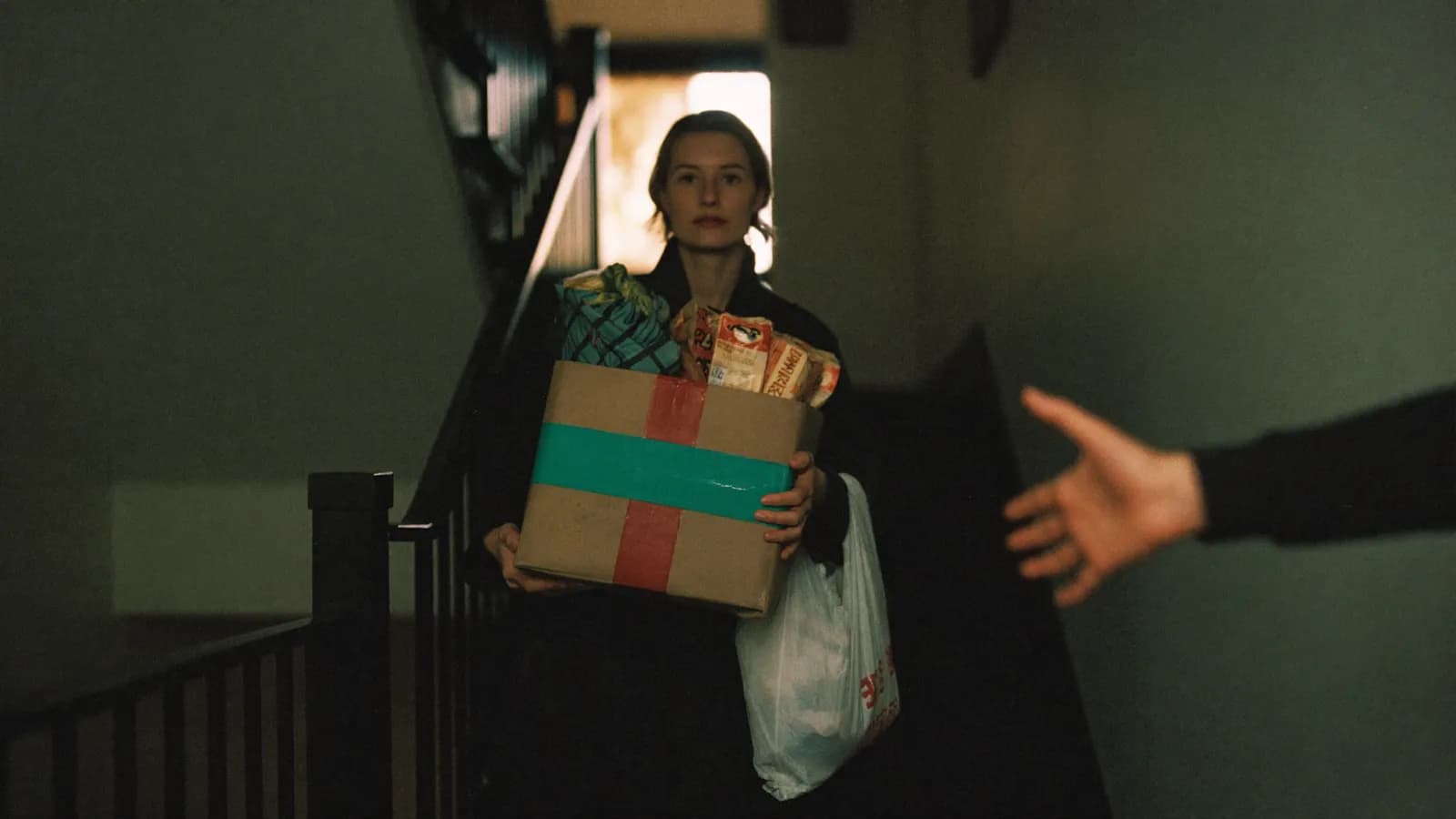
Then someone tries to give something back. A compliment, an offer to carry the bag, an "I've got this one." And something in you tightens, deflects, hands it back before it can land. You say "oh, it's nothing." You insist you're fine. You find a way to repay it by Tuesday.
That reflex has a name. It is the inability to receive, and for the woman who has spent her life as the capable one, it is one of the loneliest habits there is. This is about where it came from and how it loosens.
What "learning to receive" actually means
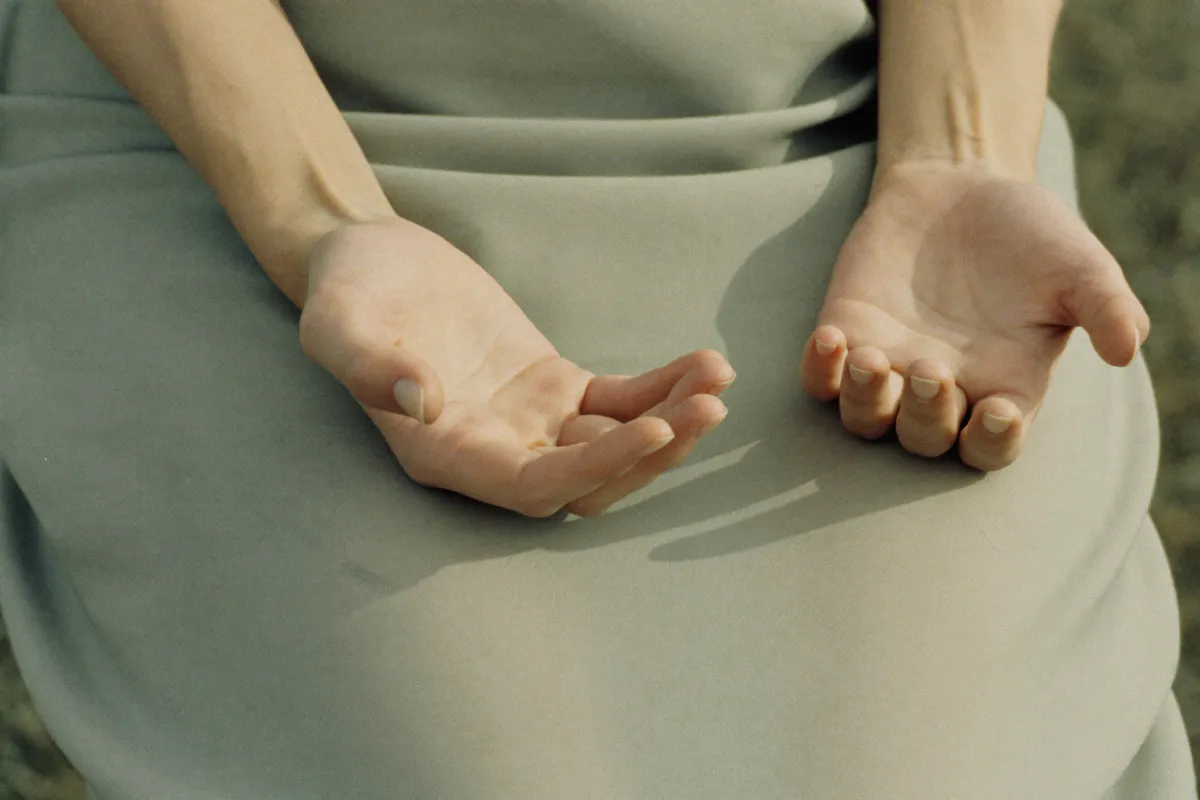
Receiving is not getting. Getting is passive, it happens to you. Receiving is a skill: the ability to let something come toward you and to keep it, without earning it first, deflecting it, or immediately squaring the debt.
It is the other half of a rhythm. There is a current in you that gives, produces, holds, and provides, and it has been magnificent. There is a matching current that takes in, rests, and lets itself be cared for, and for most women who carry everything, that second current has been switched off for years. Receiving is how you turn it back on. If you want the full map of those two currents, the guide to feminine energy lays it out, and this is the receiving half made practical.
Learning to receive is not becoming needy or less capable. It is widening. Right now you can flow in one direction. The skill is letting things flow both ways again.
Why receiving feels so unsafe for the strong one
Nobody decides to become bad at receiving. It is learned, usually early, and usually for good reasons.
Somewhere back there, you worked out that being useful kept you safe. Maybe approval showed up when you delivered and went quiet when you needed something. Maybe the adults were overwhelmed and the fastest way to be loved was to ask for nothing. Maybe there was simply no one reliable to receive from, so you stopped reaching and learned to supply yourself. This pattern of extreme self-reliance is a protective response, and it is close kin to hyper-independence, where asking for help feels almost physically impossible.
So the rule got written: I am safe when I give. I am exposed when I receive. And your nervous system, which does not care whether a rule is fair, only whether it once worked, has been enforcing it faithfully ever since.
This is why a compliment can make you squirm. It is not modesty. Receiving that compliment means, for one second, being the one held instead of the one holding, and your body files that under danger. The flinch is not weakness. It is an old alarm that no longer knows the war is over.
The four things you have quietly stopped letting in
Notice which of these you recognise. Most women who struggle here are shut to all four.
- Help. You will offer it endlessly and accept it almost never. Someone offers, and you have declined before they finish the sentence, because a task done for you feels like a debt, and a debt feels unsafe.
- Compliments. They bounce off. "This old thing." "It was a team effort." "You're just being kind." Anything but letting it in and keeping it.
- Love and care. You are fluent in loving others. Being on the receiving end, being tended to when you have not earned it, being asked how you actually are and answering honestly, can feel almost unbearable.
- Pleasure and rest. Enjoyment has quietly become a thing you watch other people have. Your pleasure is their pleasure. Rest, if it comes, arrives with a hum of guilt that never lets it fully restore you. When even rest sets off the alarm, why slowing down feels unsafe is the door to walk through first.
What these share is not weakness of will. It is a closed intake valve. And a system that only outputs, with nothing coming in, does not grow stronger. It runs down in a way that sleep does not reach.
How to relearn receiving, one small dose at a time
You do not fix this by deciding to. The giving current will happily take on "get better at receiving" as one more project to execute perfectly. You relearn it in the body, in doses small enough that the old alarm stays quiet. Try one of these a day, not all five.
Take the compliment and stop. Next time one comes, say only "thank you." No deflection, no downgrade, no compliment handed back. Let it sit for one full breath. That pause is the entire practice.
Say yes to one offer. Once this week, when someone offers help, accept it, even, especially, if you could do it faster yourself. Then do not repay it. The debt-feeling that rises is the old wiring firing. Let it rise and pass without acting on it.
Let one thing be done for you. A cup of tea made, a bag carried, a task handled. Receive it fully. Watch the urge to jump up and even the score, and stay seated through it.
Answer "how are you" honestly, once. To one safe person, give the true answer instead of the efficient one. Being witnessed without performing wellness is receiving of the deepest kind, and it feeds the closed current faster than any solo effort.
Notice the flinch without obeying it. When receiving makes you tighten, you do not have to override it or apologise for it. Just name it: there is the old rule. Naming it is how it slowly loses its grip.
What changes when you can receive
The fear underneath all of this deserves a straight answer. The fear is that if you learn to receive, you become the needy one, the taker, the woman others carry instead of the woman who carries. You built a whole identity on being the giver. Why risk it?
You are not risking it. A woman who can receive does not become weak or dependent. She becomes possible to love. Because here is the quiet cost of never receiving: the people who love you have no way in. Your giving keeps them at arm's length, always in your debt, never able to hold you back. Receiving is what lets closeness actually happen.
It also refills the tank. The current that has carried your whole life was never meant to run on output alone. Letting things in is not indulgence. It is maintenance for a woman who intends to keep giving for decades without burning down to the wick. If the giving itself has become an identity you are tired of carrying, it is worth understanding the strong one, because receiving is not the opposite of her strength. It is the thing that makes her strength survivable.
You have been the one who gives for a long time. The skill you are missing is not more giving. It is letting the door swing both ways. The free Sacred Path quiz reads the pattern you have been living and names where your particular door has been stuck. The current that receives is still in you. It has been waiting for you to let it.
This is a framework for self-understanding, not medical or psychological advice. If old patterns around help, love, or self-worth feel heavy or persistent, please bring them to a qualified professional.
Common questions
Why is it so hard for me to receive?
Because for years, giving was how you stayed safe and loved. If being useful earned your place, then receiving with nothing offered back can feel exposed, even dangerous. That flinch is not a character flaw. It is a learned rule that once protected you and has now outlived its job.
How do I learn to accept help from others?
Start absurdly small and let the discomfort be there without fixing it. Say yes to one offer of help this week, even if you could do it faster alone, and resist the urge to repay it. The point is not the task. It is teaching your body that receiving does not cost you your standing.
How do I learn to accept compliments?
When a compliment arrives, say only thank you. Do not deflect it, downgrade it, or hand one back. Let it land and stay for a full breath. The reflex to bat it away is the same reflex that deflects all incoming care, so a compliment is the smallest, safest place to practice keeping something.
Is not being able to receive a trauma response?
It can be. When help was unreliable or love had conditions, many people learn hyper-self-reliance to stay safe, and refusing to receive is part of that pattern. It is not a diagnosis and not something to shame yourself for. It is an adaptation, which means it can be gently unlearned.
If any of this felt like it was written about you, that is exactly what the free Sacred Path reading is for. It names your pattern and the doorway back to yourself.