In short
Perimenopause loneliness often arrives alongside a strong pull to be alone: broken sleep, a shorter fuse and less energy for other people make withdrawal feel like relief. The two can sit side by side. Wanting solitude is ordinary. Loneliness that deepens, or turns into low mood, is worth taking to a doctor.
New here? The free Sacred Path quiz reads which of these patterns is running you, in about ninety seconds.
Your friend texts about Saturday and you feel it before you have read the whole message: relief at the thought of saying no.
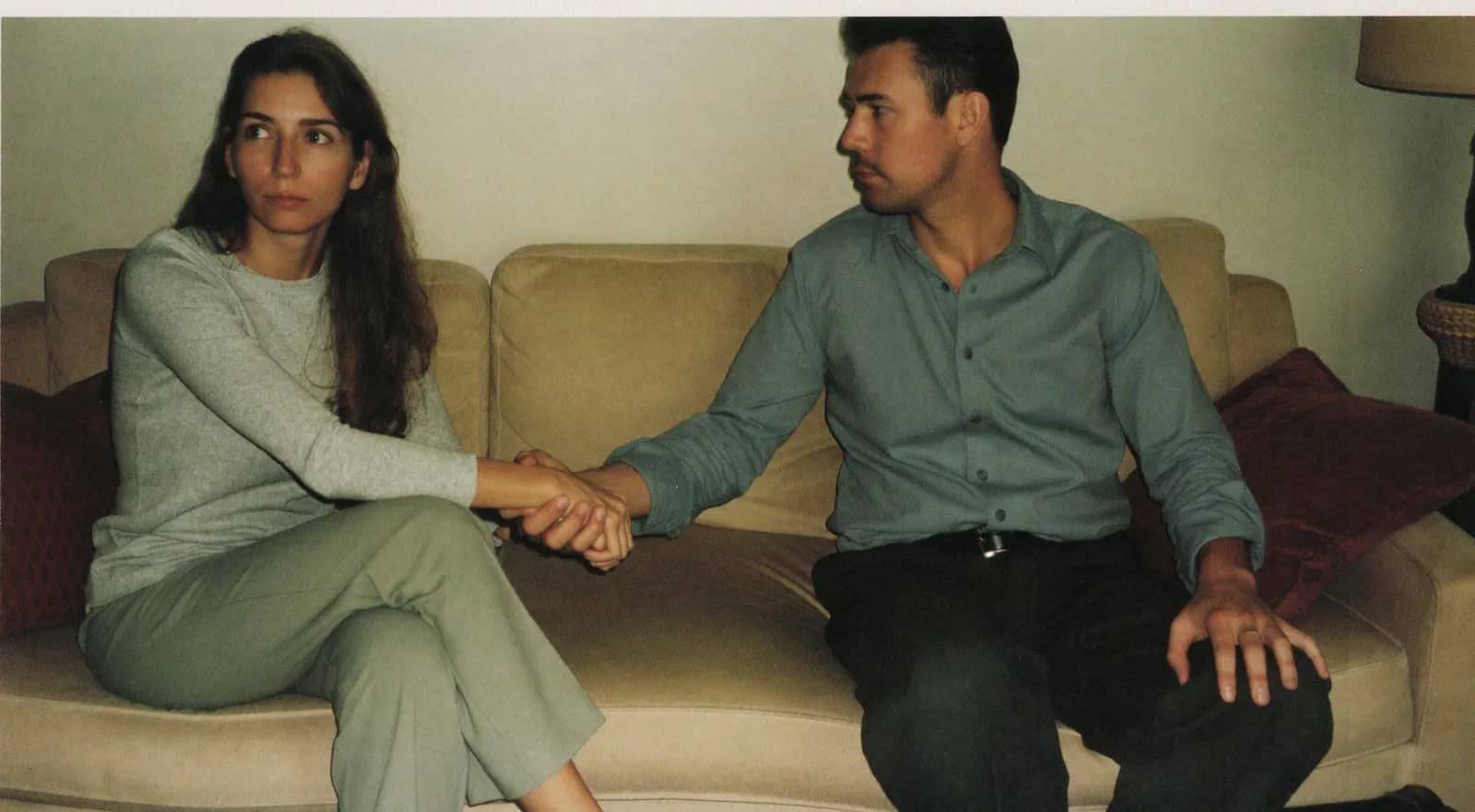
You say no. Saturday arrives, the house is quiet, and by the evening you feel more alone than you have in years. You wanted the quiet. You did not want this. Both are true, and nobody warned you they could be.
That is the particular shape of perimenopause loneliness, and it is worth understanding, because the two halves pull against each other.
Does perimenopause make you want to be alone?
It can, and the reasons are often physical.
Sleep is broken. Mood swings faster and the fuse is shorter than it used to be. Noise and small talk cost more energy than they did, and there is less energy to spend. For a woman who has spent years giving attention to everyone, the pull toward an empty room can feel like the first honest need she has had in a while.
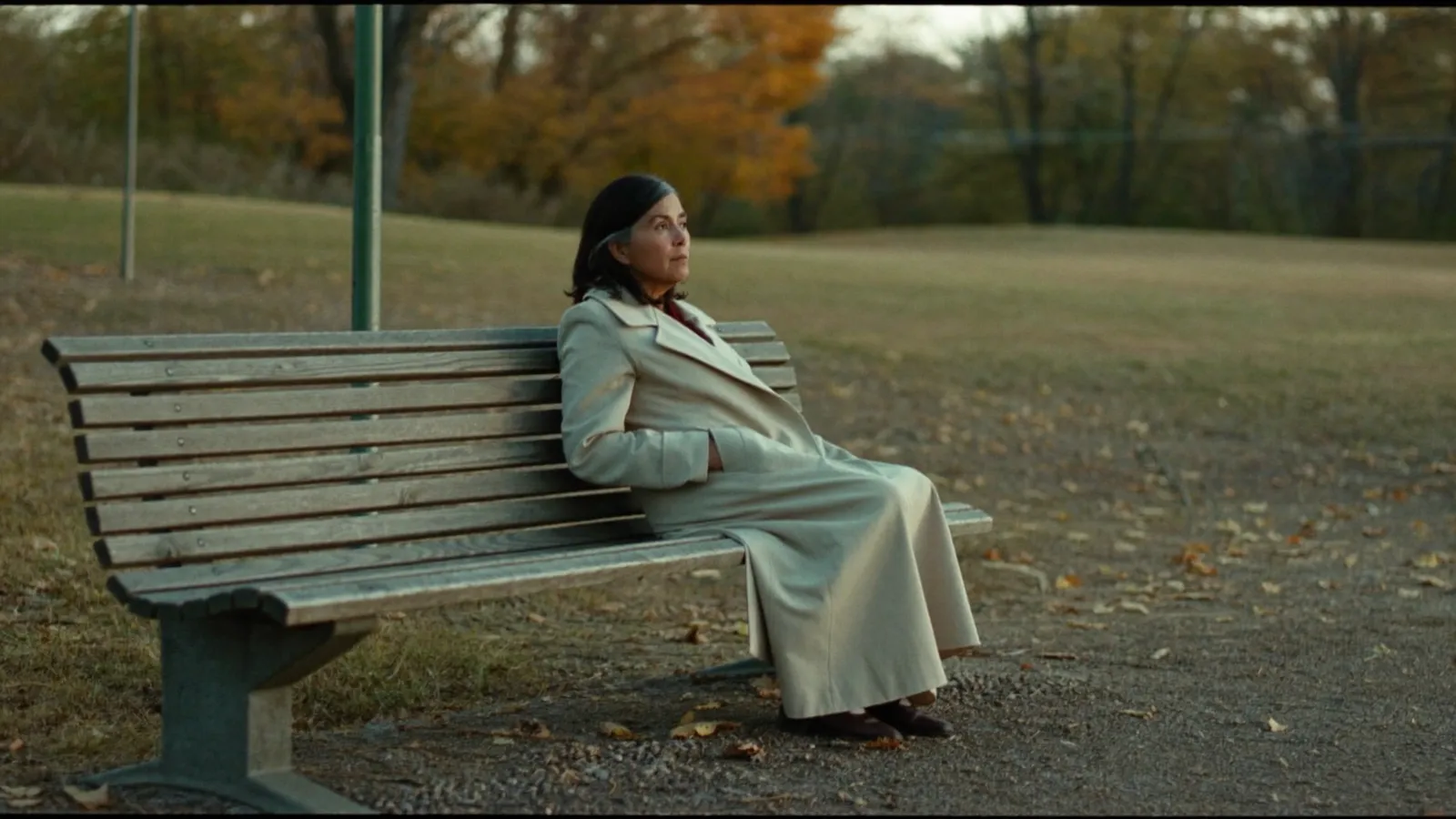
That pull is ordinary. Cancelling a plan because you are exhausted is a reasonable decision. The question is what the time alone does for you once you have it.
If perimenopause is new territory, the perimenopause symptoms guide covers the physical side, including why sleep and mood change the way they do.
Why do I feel so alone in perimenopause?
Usually because three things stack: the symptoms are private, withdrawal compounds, and low mood makes connection feel harder than it is.
The experience is private. Symptoms are uneven, hard to describe, and easy to hide. You can be sitting at a dinner table having a hot flush, a flash of dread and a memory blank in the same ten minutes, and nobody at the table knows. Carrying something nobody can see is lonely in itself.
Withdrawal compounds. One cancelled evening is a rest. A season of them quietly shrinks a life. Invitations slow down because you have declined several, and then it takes more effort to reach back out than it did to step away.
Low mood makes connection feel harder than it is. Perimenopause can bring low mood, and low mood edits your view of other people. It suggests they are busy, that you would be a burden, that you have nothing to offer. Those thoughts feel like observations. They can be symptoms of low mood rather than facts.
What is the difference between loneliness and solitude?
Solitude is time alone that you choose and that leaves you fuller. Loneliness is feeling less connected than you want to be, even in a full house.
| Solitude | Loneliness | |
|---|---|---|
| Chosen? | Yes | No, or not any more |
| How you feel afterwards | Fuller, rested, more like yourself | Drained, heavier, more cut off |
| What it does to the next invitation | Makes it easier to say yes | Makes it harder to say yes |
| Where it happens | Usually alone | Anywhere, including a full house |
The afterwards test is the most reliable one. Time alone that sends you back into the week lighter is solitude, and it is worth protecting. Time alone that leaves you lower and makes the next invitation feel impossible has tipped into something else.
You can have both in the same week, sometimes in the same evening. The aim is not to stop wanting quiet. It is to notice when the quiet has stopped doing its job.
Why the loneliness is worth taking seriously
Because loneliness tends to lock itself in, and because it has been linked to memory and thinking complaints during perimenopause.
The first reason is practical. The more cut off you feel, the harder reaching out becomes, and the longer it goes on, the more effort the first step takes.
The second is about your health. A study published in March 2026 in Menopause, the journal of The Menopause Society, looked at more than 900 perimenopausal women. It found that loneliness and social isolation were each linked, independently, to women reporting more memory and thinking difficulties (what researchers call subjective cognitive decline), and that the two were also linked jointly. It is an association in women describing their own experience, not proof that loneliness causes forgetfulness. It does suggest that connection is part of looking after yourself through this transition.
When should I see a doctor about perimenopause loneliness?
See a doctor if low mood lasts most days for more than two weeks, or if any of the signs below fit. Please read this part even if you are fairly sure it does not apply.
Perimenopause and depression overlap, and both are treatable. Talk to a doctor if:
- The low feeling lasts most days for more than a couple of weeks
- You have lost interest in things you usually enjoy
- Sleep, appetite or concentration have changed enough to affect how you function
- You feel hopeless, or as if the people around you would be better off without you
A doctor can look at your symptoms, sleep and mood together. HRT helps some women with mood and sleep, and it is a decision to make with a clinician. The NHS has a clear overview of depression in adults if you want to read the signs in plain language first.
If any thought turns toward harming yourself, do not wait for an appointment: call or text 988 in the US, or Samaritans on 116 123 in the UK (free, any time), today.
What actually helps
Small, low-effort contact tends to work better than a big social reset.
- Protect the solitude that restores you. Keep the quiet evenings that leave you lighter. Giving them up to prove you are fine usually makes things worse.
- Keep one standing, low-cost contact. A weekly walk with one person, the same day each week, so you never have to decide whether to reach out. On low-energy weeks, deciding is the expensive part.
- Say a smaller yes. When a full evening feels impossible, offer an hour or a phone call. Staying in contact at a size you can manage beats disappearing entirely.
- Tell one person you are in perimenopause and what it is doing to your sleep and mood. Loneliness in perimenopause is sharpened by carrying it invisibly. One friend who knows why you have gone quiet makes it lighter to carry. If friendships have thinned out over the years, making friends in midlife is about rebuilding from there.
- Treat the symptoms that are driving the withdrawal. Better sleep and steadier mood can make people feel possible again. That is a medical conversation, and a worthwhile one.
If the distance you feel is sharpest at home, with a partner, perimenopause and relationships looks at that specifically.
The quiet you are allowed to keep
You are allowed to want less company than you used to.
What you are watching for is the difference between an empty room that gives you back to yourself and one that slowly closes around you. The first is worth protecting. The second is worth a phone call, to a friend or to a doctor, before it gets any larger.
If the pull to disappear feels older than perimenopause, it may be a pattern that started long before. The free Sacred Path quiz names the one you have been carrying, in about two minutes, and you can take it from the quiet.
This is reflection for self-understanding, not medical advice or a diagnosis. Perimenopause symptoms and low mood overlap with conditions a doctor can treat. If you are having thoughts of harming yourself, please seek help now rather than reading on.
Common questions
Does perimenopause make you want to be alone?
It can. Poor sleep, fluctuating mood, a lower tolerance for noise and a sense of having nothing left over for other people all make time alone feel like the only rest available. Cancelling plans can bring more relief than guilt. That pull is ordinary. It becomes worth attention when the time alone stops restoring you and starts to feel like being shut out.
Why do I feel so alone in perimenopause?
Partly because the experience itself is isolating: symptoms are private, uneven and hard to describe, and the people around you may not recognise what is happening. Partly because withdrawal compounds, so a few cancelled evenings can become a smaller life than you meant to have. And partly because low mood, which perimenopause can bring, makes connection feel harder than it is.
What is the difference between loneliness and solitude?
Solitude is time alone that you choose and that leaves you fuller. Loneliness is the painful sense of being less connected than you want to be, and it can happen in a crowded house. A useful test is how you feel afterwards. Solitude restores. Loneliness drains, and it tends to make the next invitation harder to accept.
When should I see a doctor about perimenopause loneliness?
When the low feeling lasts most days for more than a couple of weeks, when you have lost interest in things you usually enjoy, or when sleep and mood are affecting how you function. Perimenopause symptoms and depression overlap and both are treatable. A doctor can look at your symptoms, sleep and mood together, which is more useful than guessing which one is the cause.
If any of this felt like it was written about you, that is exactly what the free Sacred Path reading is for. It names your pattern and the doorway back to yourself.