In short
Waking up with dread usually has two halves. Cortisol naturally peaks in the first 30 to 60 minutes after you wake, which produces alertness that feels like alarm. Then a mind trained to scan for problems supplies a reason for it. The surge is normal biology. The dread is the story attached to it.
New here? The free Sacred Path quiz reads which of these patterns is running you, in about ninety seconds.
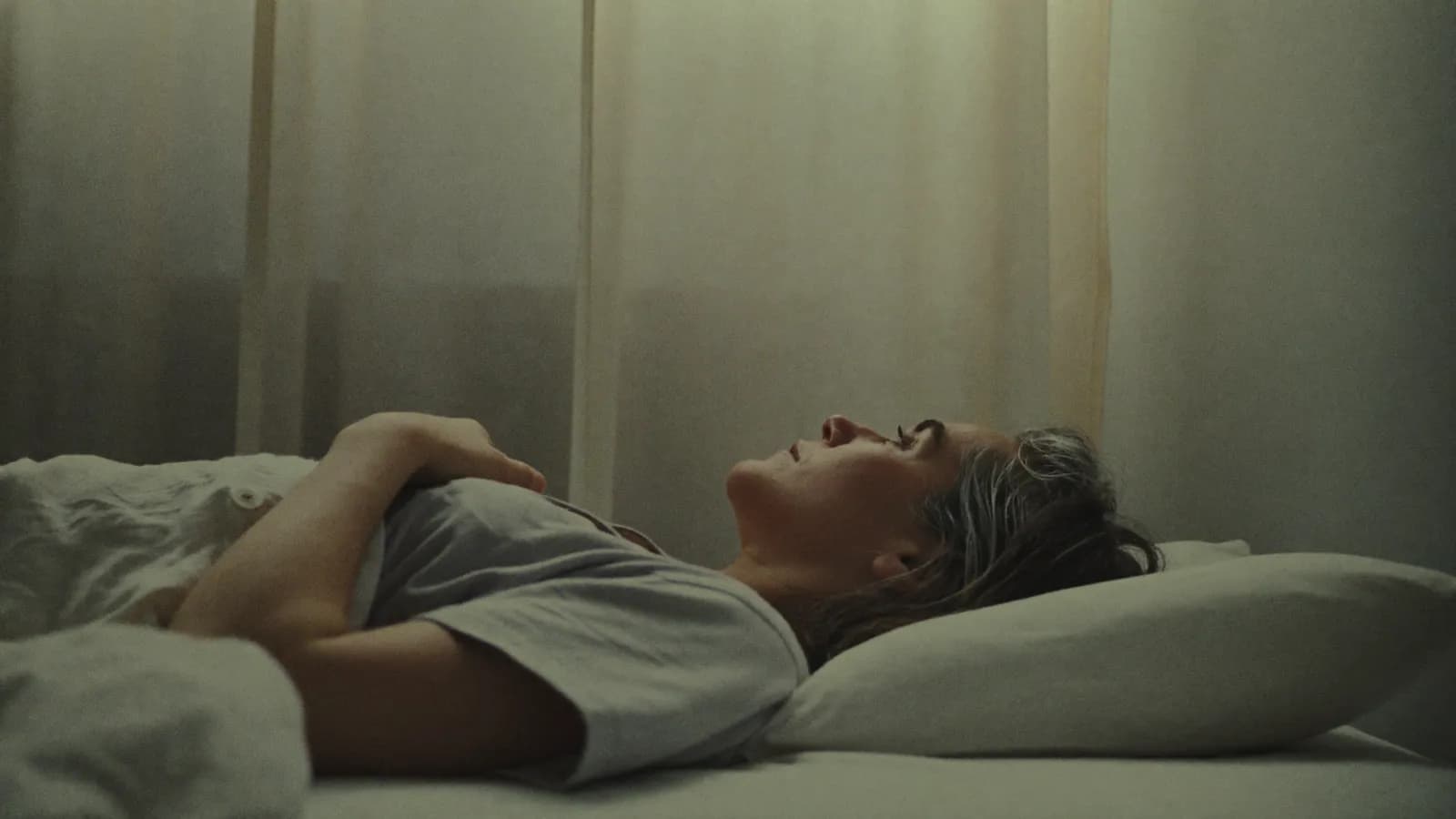
Your eyes open, and it is already there.
Not a thought yet. A weight in the chest, a tightness under the ribs, the flat conviction that something is wrong. Within seconds your mind offers a candidate: the meeting, the money, the thing you said on Tuesday. By breakfast you have half talked yourself out of it, and by ten you feel almost normal.
Then it happens again tomorrow.
Waking up with dread is rarely said out loud, and it has a physical half worth understanding before the psychological one.
Why do I wake up with dread?
Because a hormonal surge and a scanning mind arrive at the same moment, and one of them explains the other badly.
In humans, circulating cortisol usually peaks 30 to 60 minutes after waking, a pattern researchers call the cortisol awakening response. Researchers describe it as a normal physiological adaptation in healthy people.
The trouble is what that alertness can feel like from the inside: keyed up, urgent, braced. Those sensations overlap with fear. A mind trained for years to scan for what needs handling will read that state, decide it must be about something, and go looking. It always finds a candidate, because there is always a candidate.
So the sequence runs backwards from how it feels. The feeling comes first. The reason gets recruited second, and then it feels like proof.
What makes it worse
Several things stack on top of the ordinary surge.
- Broken sleep. A night of fragmented sleep leaves the system more reactive, and the 3am waking has its own physiology, covered in waking at 3am
- Alcohol the night before. It fragments the second half of the night, which is exactly where the trouble is
- Perimenopause. Fluctuating hormones affect sleep and the stress response together, which is the overlap mapped in nervous system dysregulation vs perimenopause
- A genuinely loaded life. Sometimes the dread is proportionate and the answer is not a breathing exercise but a smaller week
- Low mood. Depression disturbs sleep and colours the whole day, which is the part of this page to read carefully

Is waking up with dread the same as anxiety?
Not quite, though they overlap and often travel together.
| Morning dread | Anxiety | |
|---|---|---|
| When it arrives | On waking, often before any thought | Any time, usually attached to a prediction |
| What it points at | Nothing at first, then whatever is nearest | Something specific, however unlikely |
| How long it lasts | Often eases within an hour or two | Can run all day |
| What it is | A symptom, appearing in several conditions | A diagnosable set of conditions |
The practical value of the distinction is this: a feeling that arrives before its reason does not have to be treated as a verdict on your life. If the mind that supplies the reason never stops running the risk assessment, high-functioning anxiety is the adjacent picture, and telling them apart is a clinician's job.
Why the first hour is the worst hour for capable women
Because the first hour of your day is when the whole ledger is visible and none of it is done yet.
If you are the person who knows the school forms, the appointment, the state of the fridge and the mood of everyone in the house, waking is the moment all of that loads at once. Nothing has been ticked off. No competence has been demonstrated yet today. The surge arrives into a mind holding a complete inventory of what is outstanding.
There is a second reason, and it is less obvious. Capable women often run the day on momentum, and momentum has not started yet at 6am. By nine you are moving, useful, and the feeling is gone, which teaches you that the answer is to get moving faster. It works, which is why the underlying load never gets examined. That is the same engine described in wired but tired.
When to talk to a doctor
Book an appointment if the dread lasts most of the day, or if it has run most mornings for more than two weeks. Please read this part properly, even if you are fairly sure it is just stress.
Waking earlier than you meant to and being unable to get back to sleep is a recognised symptom of depression, which the NHS lists among the symptoms of depression in adults. Mornings being consistently your hardest hour is worth raising too. Depression is treatable, and it does not respond well to being out-organised.
Book an appointment if:
- The dread lasts most of the day rather than easing after an hour or two
- It has run most mornings for more than two weeks
- You have lost interest in things you usually enjoy
- You are waking much earlier than you need to, most nights
- You are using alcohol to get to sleep
- You have never had bloods done. Thyroid and other physical causes can be tested for
If any thought turns toward harming yourself, do not wait for an appointment: call or text 988 in the US, or Samaritans on 116 123 in the UK (free, any time), today.
What helps in the first hour
The aim is to let the surge finish.
- Get light and move early. Curtains open, or outside if you can manage it, then ten minutes of walking or stretching. A body that has moved reads the same hormone as energy. The longer version of this work is in nervous system regulation for women.
- Leave the phone until you are upright. Reading the news or your inbox in the first minutes hands your scanning mind an unlimited supply of candidates at the exact moment it is looking for one.
- Eat before the second coffee. Caffeine on an empty stomach adds to a system that is already peaked. Delaying it by an hour is a small change with a noticeable return.
- Give the first ten minutes a fixed shape. The same three unremarkable actions in the same order, so the hour has a script of its own.
- Name the sequence while it is running. The feeling came first. The reason is being recruited. Saying that stops you building a case on top of a hormone.
- Treat the sleep. Morning dread and broken sleep usually travel together, and sleep is the lever that moves the most.
The morning you are aiming for
Not one that starts with joy. Chasing that adds a second failure to an already difficult hour.
What you are aiming for is a morning where the feeling arrives, you recognise it, and you do not hand it a story. It rises, it peaks, it goes, and it takes less of you with it each time because you stopped treating it as information about your life.
If the dread comes with a quieter sense that you are carrying more than anyone knows, that part is worth its own look. The free Sacred Path quiz names the pattern underneath it in about two minutes, and you can do it before anybody else in the house is awake.
This is reflection for self-understanding, not therapy, medical advice, or a diagnosis. Persistent low mood and disturbed sleep can be signs of depression, which is treatable. Please take a persistent pattern to a doctor rather than working it out alone.
Common questions
Why do I wake up with dread?
Partly because of cortisol. In humans it usually peaks 30 to 60 minutes after waking, a pattern researchers call the cortisol awakening response, and that surge can feel like alarm rather than energy. Partly because a mind used to scanning for problems will find one to explain the feeling within seconds. Poor sleep, alcohol the night before, perimenopause and low mood all make it louder.
Is waking up with dread the same as anxiety?
Morning dread is a symptom rather than a diagnosis, and it can appear with an anxiety disorder, with depression, or on its own in a stretched but healthy person. Anxiety tends to attach to specific predictions. Morning dread often arrives before any thought at all and then recruits a reason. Both are worth a conversation with a doctor if they persist.
How long does morning dread usually last?
For many people it eases within the first hour or two, as cortisol settles and the day gives the nervous system something concrete to do. If it stays all day, most days, or if mornings are consistently your worst hour for weeks at a time, that pattern is worth taking to a doctor rather than managing alone.
What helps with waking up with dread?
Get light and movement early, because both help the body finish the alarm rather than sit in it. Delay caffeine until you have eaten. Leave your phone until after you are upright. Give the first ten minutes a fixed, unremarkable shape so your system has a routine instead of a scan. And treat the sleep and hormone factors underneath, which is a medical conversation.
If any of this felt like it was written about you, that is exactly what the free Sacred Path reading is for. It names your pattern and the doorway back to yourself.