In short
High-functioning anxiety is not a formal diagnosis but a widely recognized pattern: significant anxiety running underneath a life that looks completely handled. The woman with it hits every deadline, holds everyone together, and appears calm, while inside her mind never stops scanning for what could go wrong. In women it hides especially well because the symptoms, perfectionism, over-achievement, constant busyness, are exactly what the world praises. It responds to body-first regulation, honest load reduction, and, when it is heavy, real clinical support. The exhaustion it causes is real, and it is treatable.
New here? The free Sacred Path quiz reads which of these patterns is running you, in about ninety seconds.
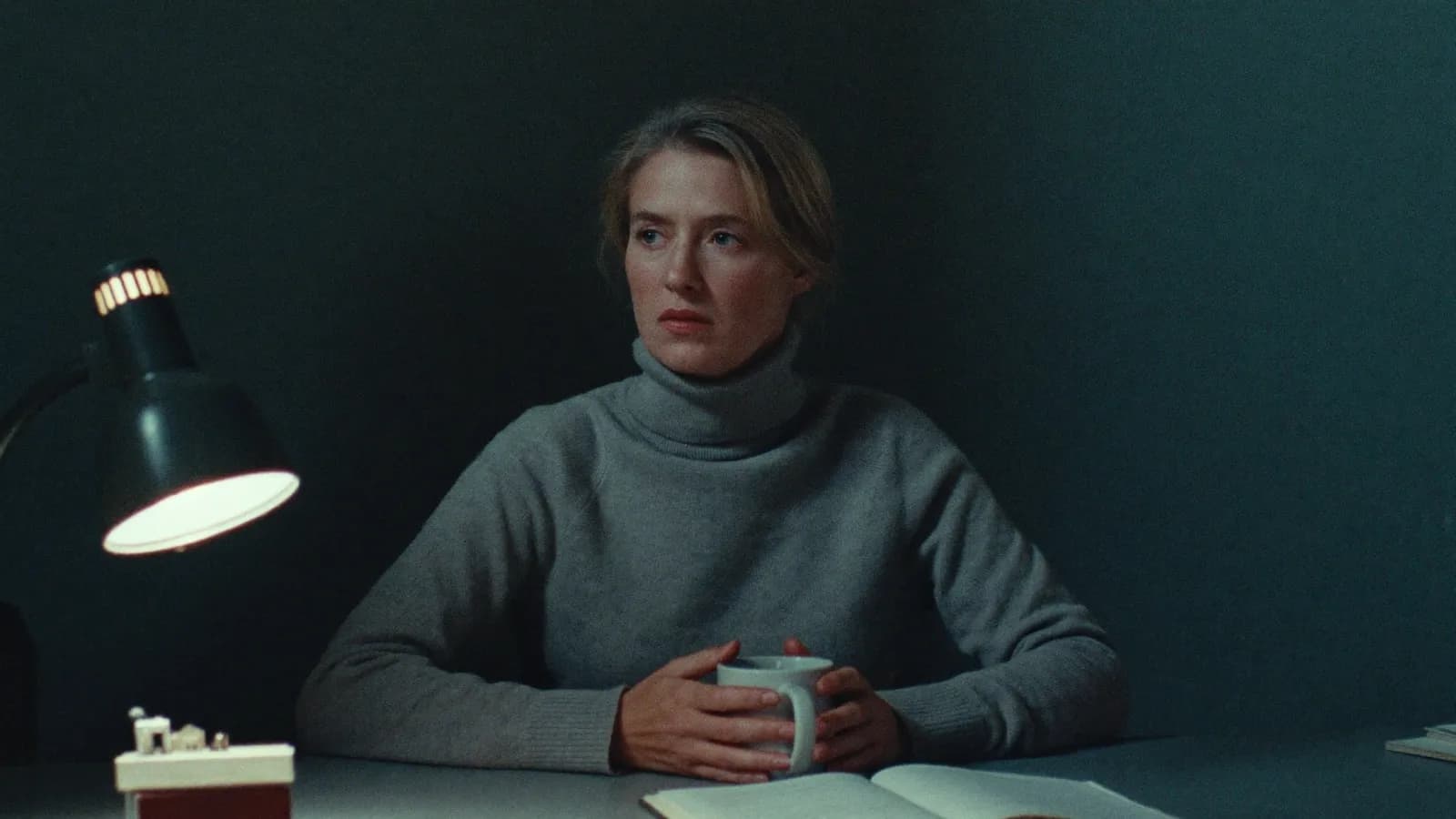
On paper, you are fine. Better than fine. You run the team, the house, the calendar, the emotional weather of everyone around you, and you do it well. Nobody worries about you. Why would they? You are the one who has it handled.
What nobody sees is the engine running underneath all of it. The mind that started tomorrow's worry list before today ended. The chest that never fully unclenches. The 3 a.m. rehearsal of a conversation that went fine. The tiredness that sleep does not touch, from appearing calm all day while privately braced for something to go wrong.
That gap, between the composed outside and the racing inside, is high-functioning anxiety. And in women it hides better than almost anywhere, because the world claps for exactly the things keeping it invisible.
What high-functioning anxiety actually is
High-functioning anxiety is significant anxiety carried by someone who keeps performing at a high level despite it. It is not an official diagnosis, and you will not find it in the diagnostic manual. It is a widely used description for a real and common pattern: the person is visibly succeeding while privately running on dread.
The defining feature is the mismatch. Classic anxiety is often pictured as someone visibly struggling to cope. High-functioning anxiety looks like the opposite: the promotion, the packed calendar, the friend everyone relies on. The coping is not just intact. It is overbuilt. The achievement is often powered by the anxiety, which is exactly why it is so hard to spot and so easy to keep feeding.
The signs of high-functioning anxiety in women
The outer signs read as virtues, which is the trap. Underneath, the picture is different:
- Your mind will not switch off; it scans for the next problem even when everything is fine
- You feel restless or guilty the moment you sit down, like resting has to be earned
- A harsh inner critic narrates the day: should have done better, they noticed, not enough
- You over-prepare and over-deliver, then feel only brief relief before the next worry
- You anticipate disaster in stable situations, braced for a shoe that rarely drops
- The tension lives in your body: tight jaw, clenched shoulders, a stomach that knots, headaches
- You mask it flawlessly, so no one, sometimes not even you, knows how much you are white-knuckling
Therapists who work with women describe the invisibility directly: the symptoms are camouflaged because perfectionism, overachievement, and constant busyness are socially rewarded. A man who cannot stop working might be told to slow down. A woman doing the same is often just called impressive.

Why it hides so well in women
Women are handed a specific set of expectations that make high-functioning anxiety nearly invisible: excel at work, hold the household, remember everyone's needs, stay pleasant while doing it. Anxiety that expresses itself as doing more, better, and without complaint slots perfectly into that mold. It doesn't look like a problem. It looks like a woman succeeding at everything asked of her.
There is often a nervous-system story underneath, too. For many women this pattern is the daytime face of a system stuck in high alert, the same wiring explored in nervous system regulation for women. The anxiety is not free-floating; it is a body that learned, somewhere back there, that staying vigilant was how everyone stayed safe, and never got the memo that the emergency is over.
Does high-functioning anxiety make you tired?
Yes. The tiredness is the most honest thing about it. Holding a nervous system at low-grade alert from waking to sleeping burns through the day's fuel by noon. Then the mind refuses to power down at night, and wrecks the sleep that was supposed to pay you back.
The result is the specific, maddening state so many women describe: wired but tired. Too activated to relax, too depleted to feel well. You collapse into bed exhausted and your brain picks that exact moment to run tomorrow at full volume. If that is your nightly experience, the long-exhale and other vagus nerve exercises target the precise switch that is stuck.
High-functioning anxiety and perimenopause
For women in midlife there is an extra layer worth naming. The hormonal shifts of perimenopause affect the same brain systems that regulate mood and the stress response, which is why anxiety often arrives or sharpens in the forties even in women who felt steady for decades. A pattern you ran on autopilot for years can turn unmanageable in a season. You did not get weaker. The chemical cushion under you thinned. If your anxiety changed gears in midlife, perimenopause anxiety is worth reading alongside this.
How to calm the engine
You cannot think your way out of an anxious nervous system, and for the high-functioning woman that is the hardest news, because thinking and doing are her whole toolkit. The way down runs through the body and through the load, not through trying harder.
Regulate the body first. A long, slow exhale, a few times a day, speaks to the nervous system in a language older than thought. It says the threat has passed. The body believes the exhale before it believes any reassurance you can think at it. Small and frequent beats long and occasional. This is not indulgence, it is maintenance.
Make rest a practice, not a reward. High-functioning anxiety insists rest be earned by finishing everything, and everything is never finished. Rest anyway, badly, on purpose, before the list is done. The guilt that rises is the anxiety talking, not the truth.
Lower the actual load. A system already at capacity has no margin for anything extra. One handed-off responsibility. One honest no. One hour that is nobody's but yours. Each one buys back an inch of room to breathe. This is not weakness. It is the most practical anxiety intervention there is.
Name the catastrophe. When the dread insists something is wrong in a situation that is fine, name it plainly: this is my anxiety anticipating, not information. You are not arguing with it, just refusing to obey it automatically.
Get help before the crash, not after. Functioning well is not a reason to wait. If the anxiety is constant, if it is taking your sleep or your joy, if productivity is the only thing that quiets it, that is a full and legitimate reason to see a clinician. Anxiety is treatable, and appearing fine has never been the same as being fine.
You are allowed to not be fine
Here is the cruel math: the better you manage it, the less anyone believes you need help. Including the part of you still keeping score. You have proven, for years, that you can carry it. That was never in question.
The question is whether you have to. A calmer nervous system does not make you less capable. It makes your capability sustainable, so it stops costing you your sleep and your health and the strange feeling of being a stranger in your own competent life.
There is a name for the pattern your nervous system has been running, and a door out of it that is specific to you. The free Sacred Path quiz reads the pattern and names it. Two minutes, and it asks nothing of you afterward.
This article is educational, not medical advice or a diagnosis. High-functioning anxiety is not a formal diagnosis, and anxiety is treatable. If it is heavy, persistent, or paired with low mood, please talk to a qualified clinician.
Common questions
What does high-functioning anxiety look like in women?
On the outside: competent, reliable, always on top of things. On the inside: a racing mind, anticipatory dread, harsh self-criticism, trouble resting without guilt, and a body that stays tense. Because the outward signs (over-achievement, busyness, perfectionism) get rewarded, the anxiety underneath often goes unseen for years, by everyone including the woman herself.
Does high-functioning anxiety make you tired?
Yes, profoundly. Running a nervous system on low-grade alert all day burns enormous energy, and the mind that will not switch off wrecks rest. Many women describe being wired and tired at once: too activated to relax, too depleted to feel okay. The tiredness is not laziness. It is the fuel cost of anxiety that never clocks off.
How is high-functioning anxiety different from just being stressed?
Stress usually points at a cause and eases when the cause resolves. High-functioning anxiety is more of a baseline: the dread persists even when things are objectively fine, and rest brings guilt rather than relief. If calm feels unfamiliar or unsafe, and productivity is the only thing that quiets the mind, that points past ordinary stress.
When should I get help for high-functioning anxiety?
If the anxiety is constant, if it is stealing your sleep, joy, or health, if productivity is the only thing keeping it at bay, or if low mood is creeping in, talk to a clinician. Functioning well on the outside does not mean you have to earn help by falling apart first. Anxiety responds to real treatment, from therapy to, where appropriate, medication.
If any of this felt like it was written about you, that is exactly what the free Sacred Path reading is for. It names your pattern and the doorway back to yourself.