In short
Empty nest syndrome describes the grief, loss and disorientation many parents feel when their last child leaves home. It is commonly described as a life transition rather than a formal clinical diagnosis. For parents whose identity was organized around being needed, the sharpest part is rarely loneliness. It is the sudden absence of a role.
New here? The free Sacred Path quiz reads which of these patterns is running you, in about ninety seconds.
Empty nest syndrome is the grief that arrives when the last child leaves home, and for a certain kind of woman it is not really about the child. It is about the job.
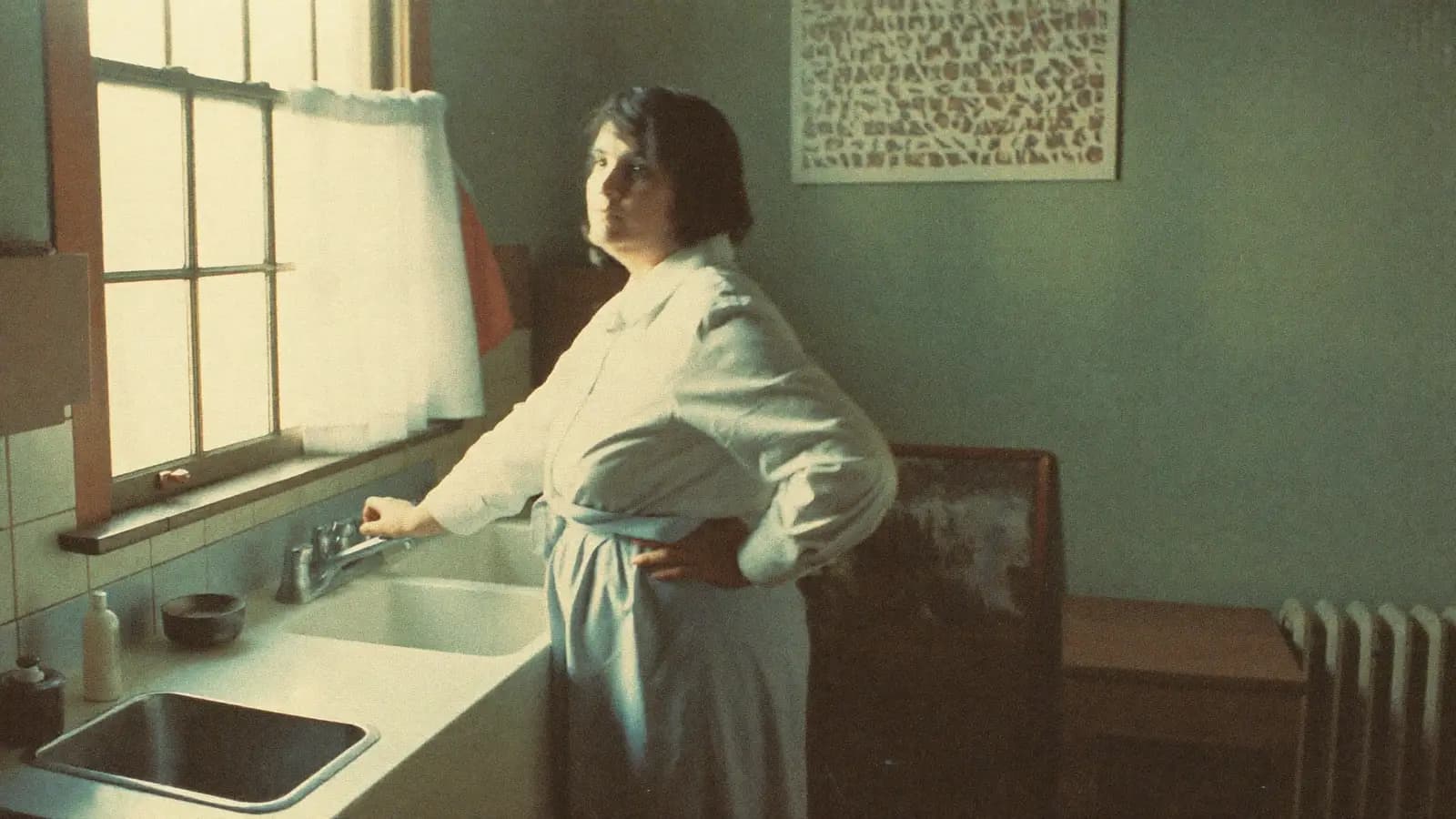
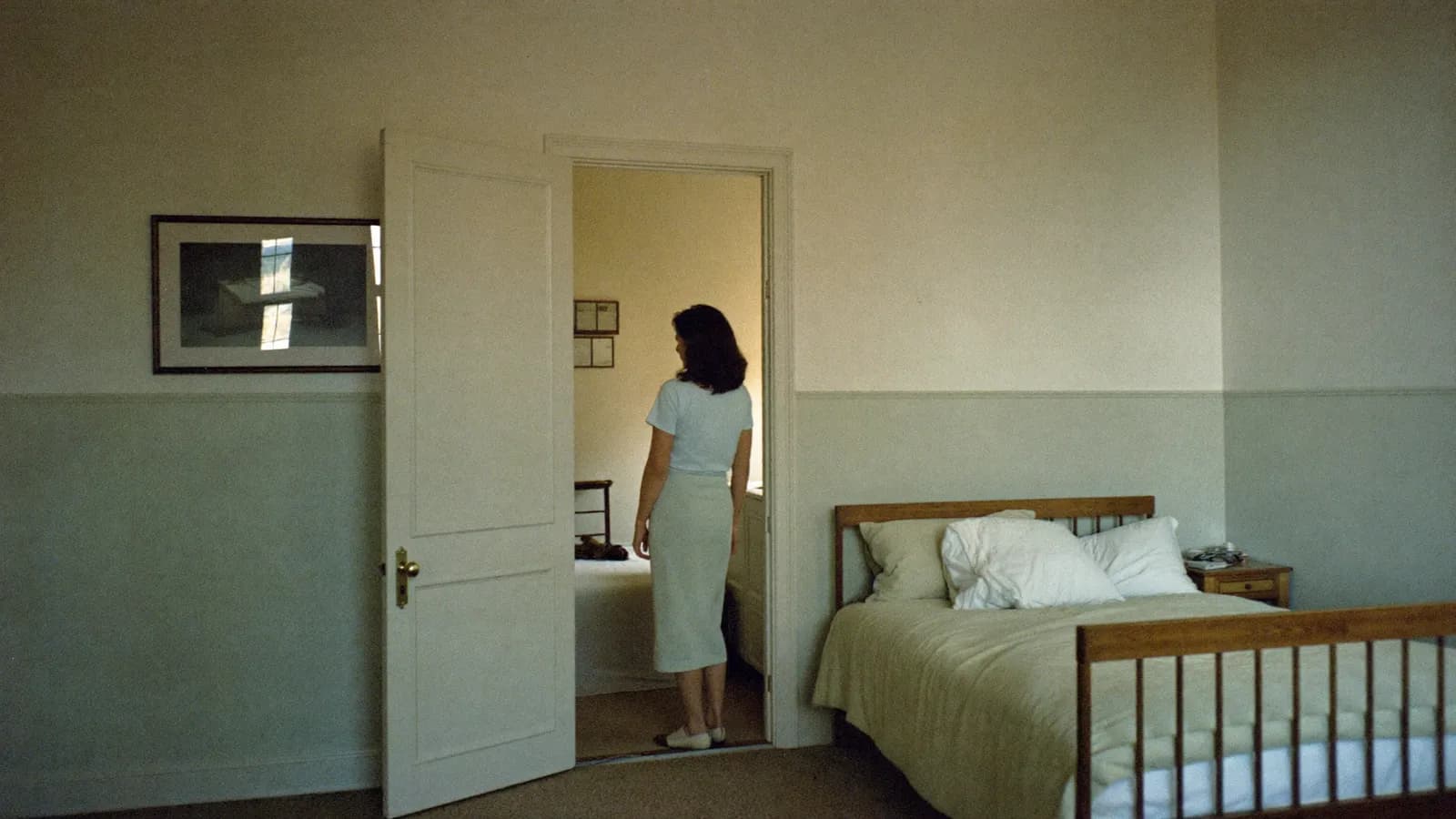
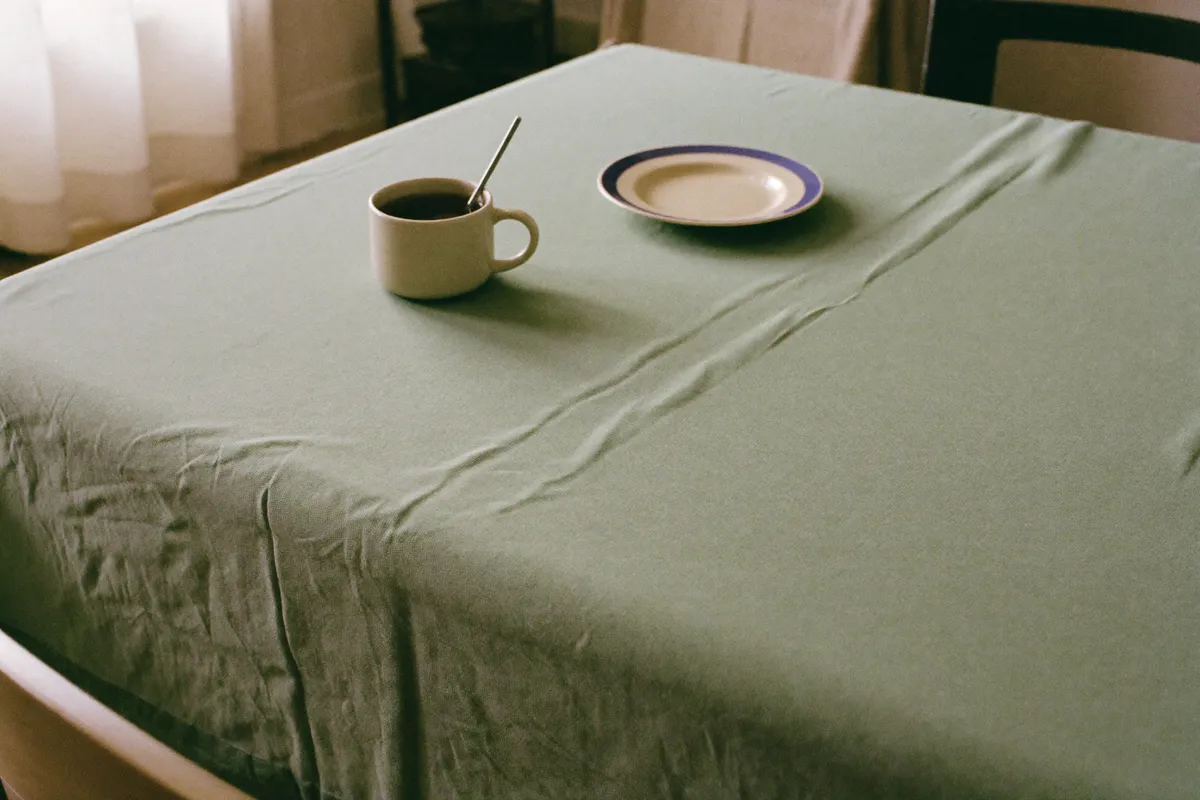
You know the moment it lands. Not the goodbye at the car, where you held it together beautifully. Later. Three weeks later, on an ordinary Tuesday, when you make dinner and there is no reason to make that much of it. The house does what it has never done in twenty years. It stays quiet. And in the quiet is a question you have not had to answer since before they were born: who am I without my kids?
Most articles on this will hand you ten coping strategies before you have finished feeling anything. Let's not do that yet.
What is empty nest syndrome?
Empty nest syndrome is the term for the grief, loneliness and loss of purpose many parents feel when their last child leaves home. It is usually described as a life transition rather than a formal clinical diagnosis. Mayo Clinic frames it as a phenomenon, not a condition, which means there is no test for it and no threshold you have to cross before it counts.
That is worth saying plainly, because the word "syndrome" does something unhelpful. It makes an ordinary human loss sound like a malfunction, and it invites you to check whether you are entitled to feel this way. You do not have to qualify for grief.
And it is not a small loss. Something you did every day for two decades, something that told you where to be and what mattered and who you were, has stopped. There is no ceremony for that. Nobody sends a card. The world files it under logistics.
Why does it hit hardest for the woman who was always needed?
Because for her, being needed was not one of the roles. It was the organizing principle.
Some women arrive at the empty nest with a whole life sitting alongside the mothering, slightly neglected but intact. The work they care about. Friendships that survived ten years of cancelled plans. For them, the leaving is sad. The floor stays where it is.
Then there is the other kind of woman, and if you are still reading, you probably know which one you are. She was the one who held everything. The weather system of the house. The calendar. The one who noticed the dog had stopped eating. She was capable in a way that meant nobody worried about her, because she was busy being the person other people did not have to worry about.
For her, the children leaving takes out a load-bearing wall. She built a self out of usefulness, and the usefulness has just been withdrawn without notice. What follows is a thought almost nobody says out loud: if nobody needs me, what exactly am I for?
And the same woman often spent the last few years resenting how much she was needed. Both of those live in one chest without much trouble. The resentment of being needed and the panic when the need stops come from the same place: a self that was never given another way to matter. She wanted the load off her back. She wanted it never to leave.
Who am I without my kids?
This is the real search behind the search, and it is why the coping-strategy listicles bounce off.
Empty nest identity loss has nothing to do with your calendar. You do not have too much time. You have too much silence, and in the silence a question that has been waiting about twenty-five years finally gets a hearing.
Here is what makes it so disorienting. You expect to miss them, and you do. What you do not expect is to go looking for yourself underneath the missing and come back with so little. You can still list your children's preferences down to the mug, the cereal, the side of the bed. Your own have gone vague. Ask yourself what you want for dinner when nobody else is eating and there is a pause that lasts a beat too long.
That pause is the whole thing. Nothing is wrong with you. It is what happens to a person who answered "what do you want" with somebody else's answer for two decades. The wanting did not disappear. It went last, every time, until it stopped raising its hand.
If the feeling extends past the children and into a general sense of not recognizing your own life, that has its own name and its own shape. The midlife identity crisis is the wider version of what the empty nest sets off, and the two arrive together often enough that many women cannot tell which one they are in.
How long does empty nest syndrome last?
Honestly: nobody can tell you, and be suspicious of anyone who names a number.
What parents commonly describe is a sharpest stretch in the first few months, with the acute part easing as new routines take hold across the first year. The first of everything is the hardest. The first September. The first time you buy groceries for two.
The identity part runs on a different clock. Loneliness answers to time and routine. The question of who you are without the role does not, because waiting is not what it is asking for. Women who treat the empty nest as something to get through often find the flatness still sitting there years later, gone quiet without going anywhere.
There is one useful rule underneath the uncertainty. Grief that moves, even slowly, even backwards for a stretch, is doing what grief does. Grief that has not shifted in months, and has flattened everything else with it, is worth a conversation with a doctor.
Is this grief, or is it empty nest depression?
They can look alike from the inside, and the difference matters because they ask for different things.
Grief comes in waves. You are fine on Thursday and undone on Friday by a jumper you found behind a door. In between the waves, life still gets in. Things are still funny. Food still tastes like something.
What people mean by empty nest depression is different: a low mood that does not lift, most days, for weeks. Interest draining out of things that were never about the children at all. Sleep and appetite going wrong. A flatness that no longer tracks with whether you have heard from them.
Nothing on this page can tell you which one you are in, and it should not try. If the second description is closer to your life, please take it to a doctor or a therapist. Being the woman who copes with everything is not a reason to cope with this alone. Booking the appointment is the most sensible thing the capable one ever does.
How do you cope when your identity was being a mother?
Not with a hobby. That is the advice everyone gives and it fails almost immediately, because a hobby is a way of filling hours and the hours were never the problem.
Let it be a loss first. Before any rebuilding, grieve the role. She was real. She got up at six for twenty years and she was good at it, and that chapter of her is over. Women who skip this part tend to get stuck, either hovering over adult children who did not ask for it, or staying busy enough that the quiet never gets a word in.
Say the disloyal sentence out loud, to one person. "I don't know who I am now that nobody needs me." Said to someone who will not immediately try to fix it, it stops being a shameful secret and turns into a question you can work on.
Practice wanting, in small doses. Start absurdly small. What plays in the car when there is nobody else in it. What you would cook if it only had to please you. The wanting is not gone, only unused, and it comes back through repetition rather than insight.
Let the relationship change instead of ending. They still need you. Not for lifts and laundry, and not on demand, but as a person they ring on a Sunday for no particular reason. That version takes a while to settle. It is better than the old one, which is hard to believe from inside the first month.
Watch what you reach for next. The instinct will be to find someone else to be needed by. A parent, a grandchild, a colleague, a cause. Some of that is good. Some of it is the old pattern reassembling itself so you never have to sit in the question. You get to notice the difference.
What comes after the empty nest?
Here is the part I would have found irritating if anyone had said it to me too early.
The quiet you are dreading is also the first uninterrupted stretch of your adult life. I am not offering that as a consolation prize. It is a fact with two faces. The role that gave you an identity also stood between you and the question of what you actually want, and it did that for twenty years without either of you noticing.
What comes next is not becoming someone else. It is midlife reinvention, which turns out to be less invention than excavation. Most of what you find will be something you already knew about yourself at twenty-four and put down because there was nowhere to put it.
There is a pattern to how you became the one everyone leaned on, and to which postponed part of you is asking first now that the house is quiet. The free Sacred Path quiz reads that pattern in two minutes. Nobody needs anything from you there. For once, the whole thing is for you.
This article is for reflection and self-understanding, not therapy or medical advice. Empty nest syndrome is not a clinical diagnosis, and nothing here is a substitute for care. If low mood, hopelessness or loss of interest persist, please talk to a qualified professional.
Common questions
What is empty nest syndrome?
Empty nest syndrome is the term for the grief, loneliness and loss of purpose many parents feel when their last child leaves home. It is usually described as a life transition rather than a formal clinical diagnosis, and it does not appear in the diagnostic manuals clinicians use. The feelings are real regardless of what it is called, and they range from a quiet flatness to genuine mourning.
How long does empty nest syndrome last?
There is no fixed timeline, and anyone who gives you one is guessing. Many parents describe the first few months as the sharpest, with the intensity easing across the first year as new routines settle. What tends to take longer is the identity part, especially for a parent whose whole sense of self was built around being needed. If the low mood is not lifting at all after several months, that is worth raising with a doctor or therapist.
Is empty nest syndrome a real condition?
It is a real and widely reported experience, but it is not a formal clinical condition. Mayo Clinic describes it as a phenomenon rather than a diagnosis, which means there is no test for it and no clinical criteria to meet. That distinction cuts one way only. What you feel is no less real for lacking a label, and you do not have to wait for it to qualify as something before you take it seriously.
How do you cope when your identity was being a mother?
Start by letting it be a loss rather than a problem to fix. Mothering was not a hobby you can swap out, so the first honest step is grieving the role instead of rushing to fill the hours. From there, coping tends to work best in small, unimpressive moves: naming what you actually want, letting a few of your own preferences run the day, and rebuilding the relationships where someone asks how you are. If the flatness persists most days for weeks, speak to a professional.
If any of this felt like it was written about you, that is exactly what the free Sacred Path reading is for. It names your pattern and the doorway back to yourself.