In short
A midlife identity crisis is the destabilizing sense, usually between the late 30s and mid 50s, that the person you have been no longer fits: the roles still function, but you no longer recognize yourself inside them. In women it is often quieter than the cliché, less sports car, more standing in your own kitchen feeling like a stranger. Psychology tends to frame it not as a breakdown but as a transition: an identity built around others' needs reaching the end of its natural lifespan. It differs from depression, which is a persistent illness rather than a question, though the two can overlap and both deserve care.
New here? The free Sacred Path quiz reads which of these patterns is running you, in about ninety seconds.
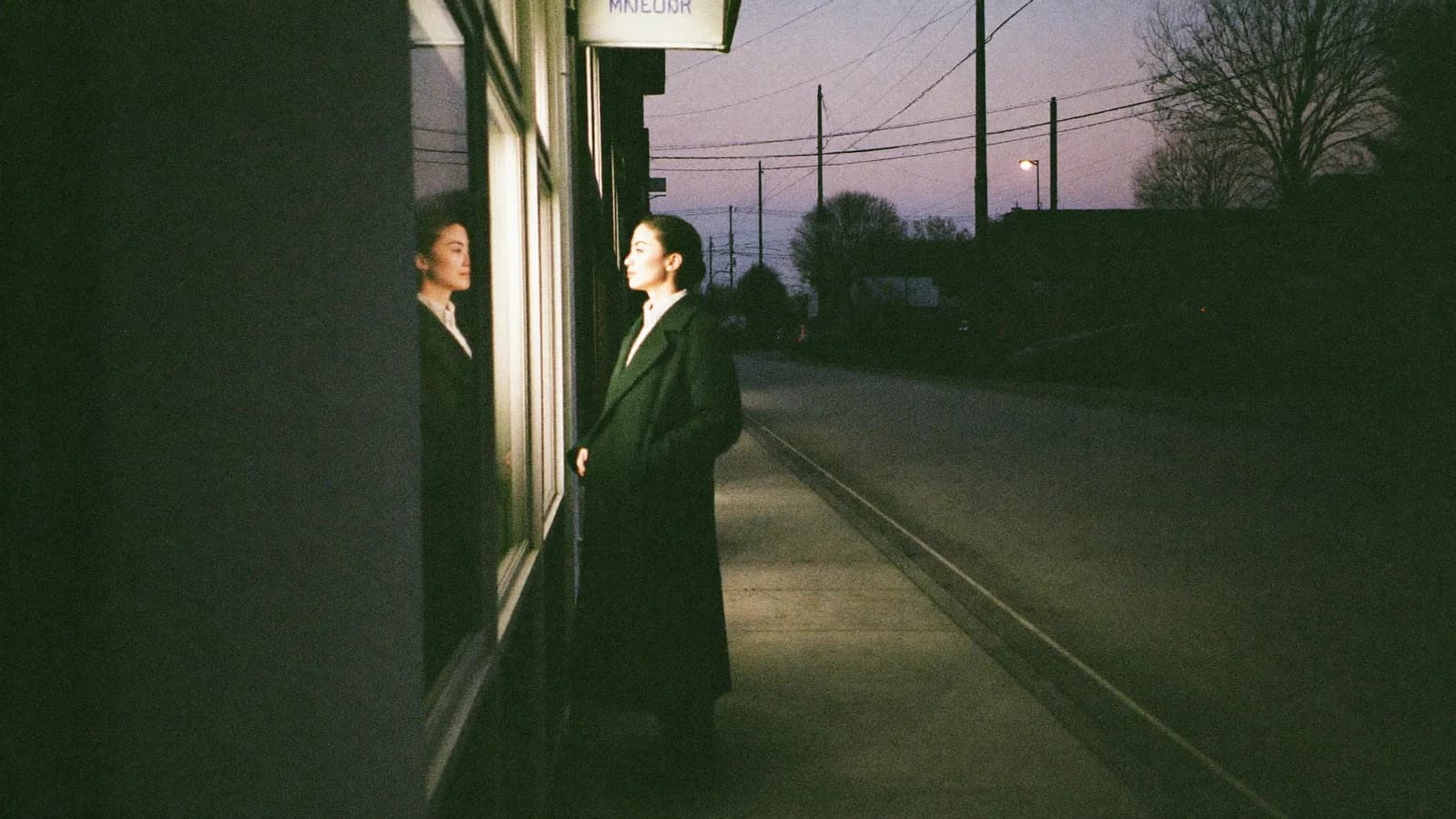
It tends to happen in an ordinary moment. You catch your reflection in a shop window, or hear yourself giving the same answer at the same kind of dinner, and a thought arrives with the cold clarity of a stranger's voice: I don't recognize this person.
Not because anything is wrong. That is what makes it so hard to say out loud. The marriage functions, the career progressed, the children are loved and mostly fine. By every metric you once aimed at, this life is a success. And some essential person, the one all of this was supposedly built by and for, seems to have quietly left the building, leaving a very competent understudy running the show.
If that lands, you are in what psychology calls a midlife identity crisis. The name is unfortunate. Almost nothing about it is a crisis, and what it actually is turns out to be far more interesting.
What a midlife identity crisis actually is
Strip away the sitcom version, the convertible, the affair, the sudden marathon, and what remains is this: an identity reaching the end of its natural lifespan.
The self you built in your twenties and thirties was built fast, under pressure, and mostly for other people. It was assembled from what was needed: the reliable one, the career, the marriage, the mothering, the endless competence. It worked. It got you here. But it was an identity organized around function, and somewhere between the late 30s and mid 50s, the functions stop being enough to live on. The roles continue; the meaning quietly drains out of the back of them.
Psychologists since Jung have described midlife as exactly this hinge: the point where the first-half identity, built to secure a place in the world, gives way to a second-half question, what is this life actually for? The distress is the machinery completing its job, and asking what comes next.
Why the midlife crisis hits women differently
The cliché midlife crisis was always a men's story. The women's version is quieter, later to be noticed, and more total, because women's first-half identities are more often built almost entirely out of being for others.
When the roles that organized you begin to shift, children needing you less, parents needing you more, a marriage gone quiet, a career plateauing right when you finally got good at it, there is less "you" held in reserve underneath. The strong one discovers that under the strong one, there was never time to build anything else. That is the specific vertigo of it: not losing what you had, but discovering how little of it was ever actually yours. If that sentence hits somewhere real, tired of being the strong one walks through that exact terrain.
And in the same years, perimenopause is often thinning the walls, turning down the hormonal cushion that made the postponements bearable. The body starts telling the truth ahead of the mind. The combination is why so many women describe their early 40s as "everything looks the same and nothing feels like mine."
Midlife crisis vs depression: how to tell them apart
This distinction matters more than any other on this page, because one is a question and the other is an illness, and they ask for different help.
| Midlife identity crisis | Depression | |
|---|---|---|
| The core feeling | "This life doesn't fit anymore" | "Nothing matters anymore" |
| Wanting | Restless, aims at new things | Flattened, wants almost nothing |
| Joy | Still possible, just misplaced | Largely gone, most days |
| The question | Who am I now? | What's the point? |
| Energy | Agitated, searching | Drained, heavy |
| Timeline | Comes in waves, tied to reflection | Persistent, most days for weeks |
The crisis is uncomfortable but alive: something in you is pushing toward a truer shape. Depression flattens the pushing itself. And the honest caveat: they can coexist, and a long-ignored identity crisis can slide into real depression. If your version includes persistent emptiness, hopelessness, or a life gone grey, that is a clinician's territory, starting with the NHS depression overview, and getting help is part of doing this well, not a failure of it.
What the crisis is actually asking
The cliché got one thing backwards. The stereotype says midlife makes people grasp at youth. Watch women move through this, and the reach goes inward, toward the postponed self.
The questions underneath the vertigo are specific. What did I want before I learned to want what was needed? Which parts of me were shelved because there was no room, the loud laugh, the art, the opinions, the body that took up space? What would this life look like if it were organized around what is true rather than what is expected?
The discomfort you feel is those questions pressing against a schedule that has no slot for them. In depth psychology, the first half of life builds the vessel and the second half fills it with what it was for. The crisis is the sound of an empty vessel asking. The feminine energy starved by decades of output, and the archetype waiting under the one that carried you, are two maps of what tends to be found when a woman finally looks.
How to move through it (without burning your life down)
Stop treating it as a malfunction. The single biggest shift. This is a transition with work to do, not a mood to manage away. Suppressed, it circles back louder, often a decade later with higher stakes.
Name it to one person, unpackaged. "My life looks right and doesn't feel like mine, and I don't know who I am outside my roles." Saying it out loud, to someone who will not rush to fix it, converts free-floating dread into a workable question.
Follow wants, not plans. The rebuilt self does not arrive by strategic overhaul. It arrives through small, almost embarrassing wants: the class you keep noticing, the music, the hour alone that produces nothing. Wants are how the postponed self signals. Follow the small ones and the larger shape reveals itself.
Grieve the first-half self properly. She was real, she worked hard, and parts of her are ending. Some sadness here is not depression; it is appropriate. Women who skip the grieving tend to get stuck defending an identity they no longer want, simply because no one held a funeral.
Get company for the crossing. A therapist who understands adult development, a friend a few years ahead, women writing honestly about this passage. The crossing is normal; doing it in total isolation is what makes it dangerous.
Not a crisis. A becoming.
The women a few years past this point tend to say the same startling thing: they would not go back. Not because the crossing was pleasant, but because what is on the other side is a life that finally fits, smaller in performance, larger in truth. The unrecognizable feeling was the real self refusing to be postponed any longer.
What that rebuilding actually looks like, once the worst of the disorientation passes, is its own subject: midlife reinvention, and why it is less about becoming someone new than about giving the postponed self her turn.
Molting looks like falling apart from the inside. It is uncomfortable for exactly as long as you try to keep the old shell on.
There is a name for the pattern that built your first-half identity, and a reading of what is trying to emerge from under it. The free Sacred Path quiz maps both in two minutes. The woman you don't recognize yet has been waiting a long time to be introduced.
This article is for self-understanding, not medical or psychological advice. If low mood, emptiness, or hopelessness are persistent, please talk to a qualified clinician. A life question and an illness can look alike, and you deserve help with both.
Common questions
What is a midlife identity crisis?
It is the period, common between the late 30s and mid 50s, when the identity you built stops feeling like you. Life often looks right from the outside while feeling rented from the inside: you keep performing the roles, wife, mother, professional, capable one, but the person performing them feels increasingly unfamiliar. Psychologists generally describe it as a transition in adult development rather than a disorder.
How is a midlife crisis different from depression?
A midlife identity crisis is a question that arrives with restlessness: who am I now? Interest in life persists, even intensifies, but aims at different things. Depression is an illness that flattens: persistent low mood, emptiness, loss of interest in nearly everything, most days for weeks. The crisis asks for change; depression drains the wanting itself. They can overlap, and persistent hopelessness or emptiness deserves a clinician, not a reinvention plan.
Is the midlife crisis real?
The cliché is exaggerated, but the underlying dip is well documented: large studies of life satisfaction repeatedly find a low point in the middle years across many countries, followed by a rise. What the research does not support is the stereotype of impulsive men and sports cars. In women the experience is common, quieter, and more often about identity than possessions.
How long does a midlife identity crisis last?
There is no fixed timeline; for most people it is a season measured in months to a few years, and how it is met matters more than how long it runs. Treated as a malfunction to suppress, it tends to circle back. Treated as a transition with real questions to answer, it resolves into a more honest second act. Support, from honest conversation to therapy, shortens the confusing part.
If any of this felt like it was written about you, that is exactly what the free Sacred Path reading is for. It names your pattern and the doorway back to yourself.