In short
The art of allowing is letting life, people, and outcomes move without forcing each one into place. It is not passivity and not giving up. For a woman who controls everything to feel safe, allowing means trusting that some things hold without her grip. It is a nervous-system skill, relearned through small, low-stakes releases, not one grand act.
New here? The free Sacred Path quiz reads which of these patterns is running you, in about ninety seconds.
You have a way things should be done, and you are usually right. The dishwasher loaded properly. The email worded so it lands. The trip planned so nothing goes wrong. Being the one who holds the details is how the details get held.
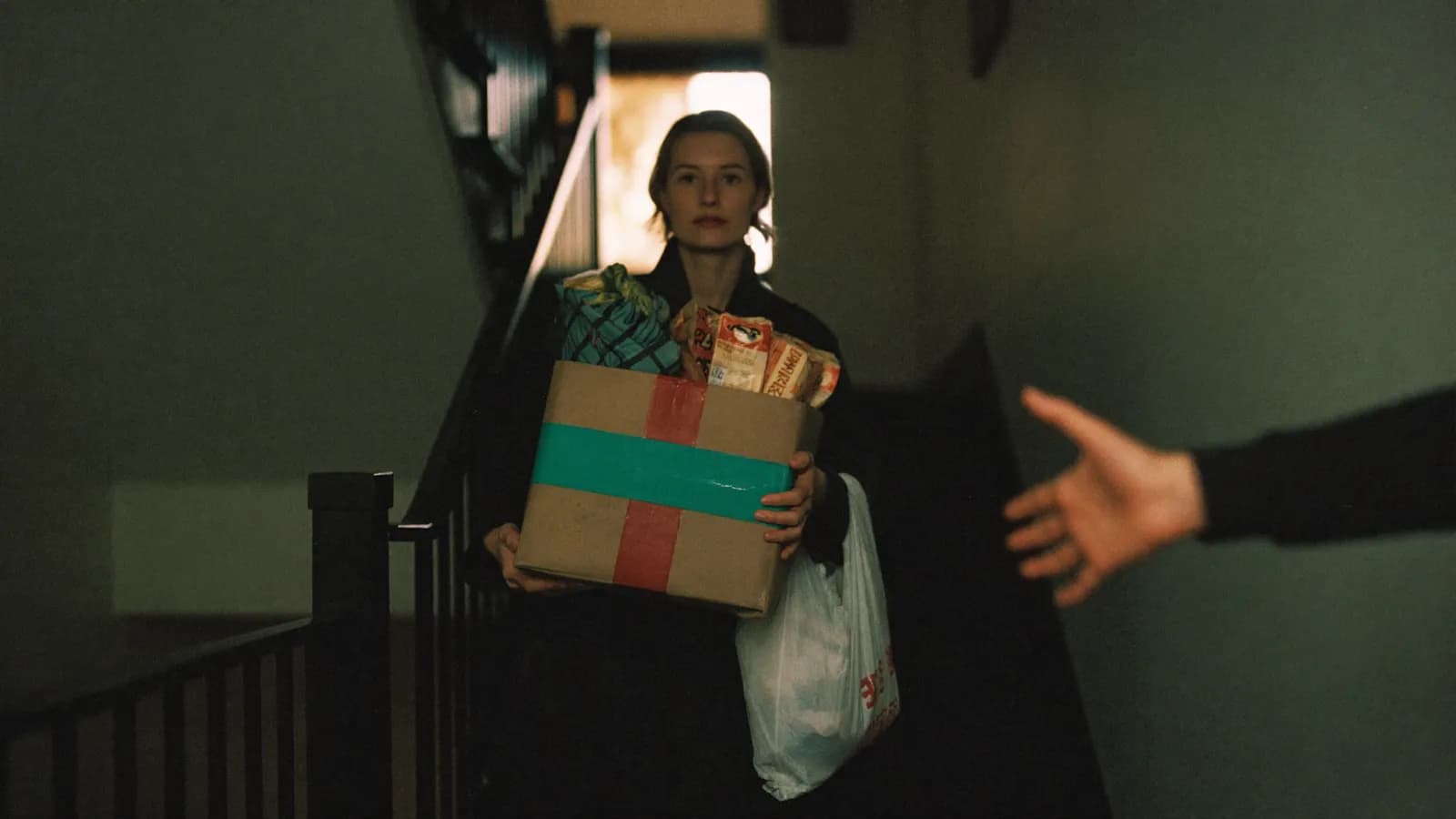
Then someone else takes the wheel, and you feel it in your body: the jaw, the shoulders, the quiet scramble to check, correct, redo. Even good news you cannot quite receive without managing it. Rest itself feels like something you have to supervise.
That grip has a cost you have stopped noticing, the way you stop hearing a fridge that has hummed for years. The art of allowing is about setting it down on purpose, in a way that does not ask you to stop caring or become someone you are not.
What the art of allowing actually is
Allowing is letting things move at their own pace without forcing each one into place. It is not doing nothing. It is doing your part and then releasing the part that was never yours to control in the first place.
Most of the exhaustion of being the capable one is not the doing. It is the gripping. It is the background program running every hour, scanning for what could slip, holding outcomes together by sheer will. Allowing is what happens when you let that program idle. The receiving, trusting, non-forcing current is one half of your feminine energy, and allowing is that current in motion.
Think of it as holding the rope loosely instead of white-knuckled. You are still holding it. You have not walked away. You have simply stopped bracing as though the whole thing will collapse the second you soften your hands.
Why control became your safety
Nobody grips for no reason. If you cannot let go, it is almost certainly because letting go once cost you something.
Maybe things genuinely did fall apart when you were not watching. Maybe you were young and in charge of things no child should hold. Maybe the only way to feel calm in chaos was to become the one who managed all of it. So your nervous system drew a straight line: vigilance keeps us safe, control keeps us alive. And it has been enforcing that line ever since, whether or not the danger is still in the room.
This is why letting go does not feel like relief. It feels like risk. Your body reads a loosened grip as the exact moment before disaster. That reaction is not irrational or weak. It is an old survival skill still running long after the emergency ended, the same wiring that makes rest feel unsafe and makes asking for help feel impossible, the two doors mapped in why slowing down feels unsafe and hyper-independence.
The grip kept you safe. It earned its place. It is not the enemy. It has just never been allowed to rest.
Allowing is not giving up: the difference that matters
The single fear that keeps women gripping is this: if I let go, it all falls apart. That fear survives on a confusion, so let us end it. Allowing and giving up are opposites, not cousins.
| Giving up | Allowing |
|---|---|
| Abandons the outcome | Stays committed to the outcome |
| Disengaged, stops caring | Engaged, cares deeply |
| Drops the rope | Holds the rope loosely |
| "It doesn't matter anymore" | "It matters, and I can't force it" |
| Comes from defeat | Comes from trust |
A woman who gives up stops trying. A woman who allows keeps doing her part and then stops trying to control the parts that were never hers. She still cares about the trip, the project, the person. She has just released the fantasy that gripping harder makes them safer. Usually it does the opposite. The grip exhausts her and crowds out everyone else's competence, so she ends up carrying what other people were ready to carry all along.
How to loosen your grip, in doses your alarm won't veto
You cannot allow by force of will. The controlling current will happily accept "get better at letting go" as one more thing to perfect. You practice it in the body, small enough that the alarm stays quiet. One a day, not all of them.
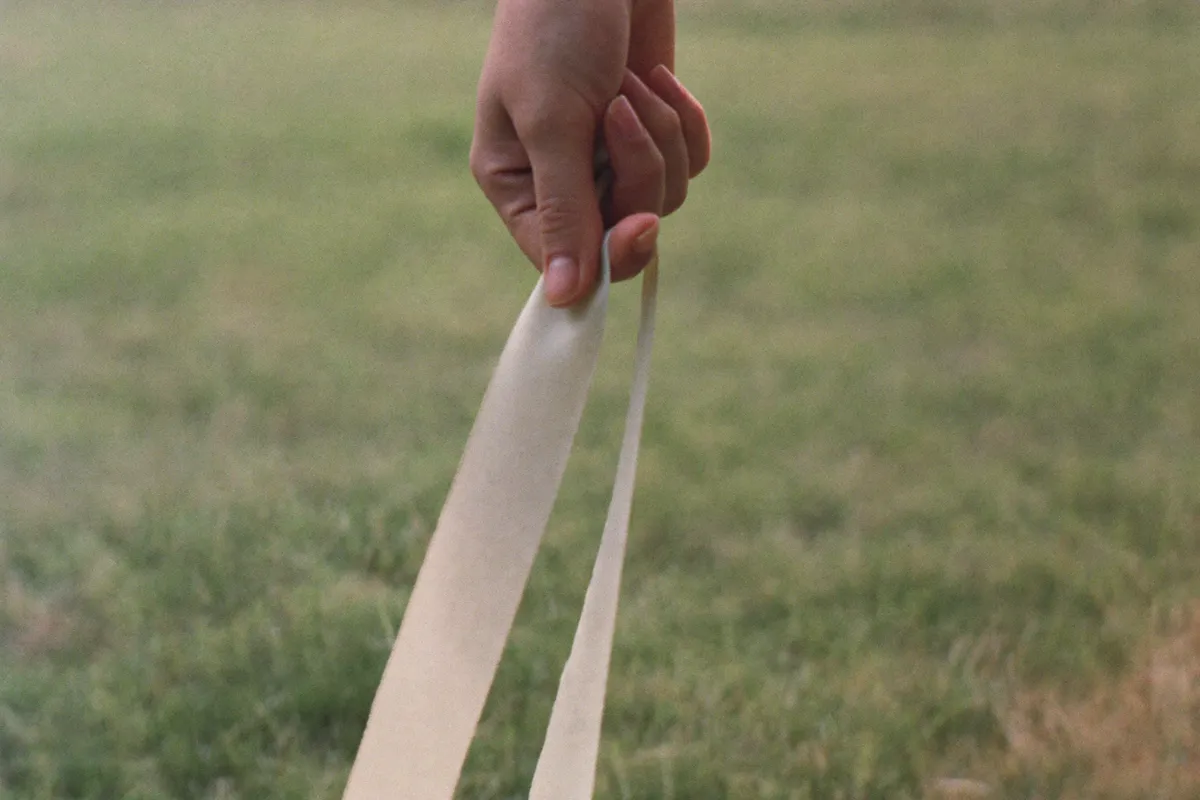
Leave one thing unmanaged. Pick something genuinely low-stakes and deliberately do not check it. Let someone else load the dishwasher their way and leave it. The point is not the dishwasher. It is teaching your body that a loosened grip does not equal collapse.
Let another person's way stand. When someone does a thing differently, and worse by your standards, and it does not actually matter, let it be. Swallow the correction once. Notice you survive it.
Do your part, then name the release out loud. After you have done what is genuinely yours, say it plainly: "I've done my part. The rest isn't mine to force." Saying it gives the gripping mind somewhere to stop.
Let the exhale be longer than the inhale. A few slow breaths with a long, drawn-out exhale is the most direct "you're safe" signal your body has. It tells the vigilance program the watch is over for now. This is not a skill to perfect. It is a signal to send.
Feel the grip without obeying it. When the urge to control fires, you do not have to override it or shame it. Just name it: there is the old alarm. Naming it is how it slowly loosens on its own.
What allowing gives back
Here is what nobody tells the woman who controls everything: the grip is not free. It is the single most expensive thing you do. Every outcome you hold by will is running in the background, all day, draining a reserve you could be spending on your own life.
Allowing gives that reserve back. The energy you have been spending to hold everything in place becomes available for the things only you can do, and for the rest you have not truly had in years. It also lets other people rise, because a grip that manages everyone teaches everyone to wait for you. Loosen it and they step up, often better than you expected.
And it makes you steadier, not shakier. The steadiest women you know, the ones who carry weight without visible strain, are not gripping. They have learned that not everything needs forcing to stay whole, and that trust, aimed well, holds more than force ever did.
You do not have to let go of everything at once. That is not the skill. The skill is loosening one finger at a time and noticing the world stays standing. The free Sacred Path quiz reads the pattern under your grip and names where you have been holding tightest. You are allowed to set some of it down. You always were.
This is a framework for self-understanding, not medical or psychological advice. If anxiety, hypervigilance, or the need for control feel heavy or persistent, please bring them to a qualified professional.
Common questions
What does the art of allowing mean?
It means letting things unfold at their own pace instead of forcing or micromanaging every outcome. Allowing is active trust, not resignation. You stay engaged and awake, but you stop gripping the parts of life that were never yours to control, which frees an enormous amount of energy you did not know you were spending.
How do I let go of control without giving up?
Separate the two. Giving up abandons the outcome. Allowing stays committed to it while releasing the illusion that you can force it. In practice: keep doing your part, then deliberately leave one small thing unmanaged and let someone else's way stand, even when yours would be faster. You are loosening your grip, not dropping the rope.
Why is it so hard for me to let go of control?
Because control almost certainly kept you safe once. If things fell apart when you were not watching, your body learned that vigilance equals survival. Letting go then feels like inviting danger, not relief. That reaction makes sense, and it means the skill of allowing has to be relearned slowly, in doses your alarm system will tolerate.
Is allowing the same as being passive?
No. Passivity is disengagement, you stop caring and stop acting. Allowing is engaged and alert, you care deeply and still let go of the grip. A passive woman drops the rope. An allowing woman holds it lightly, trusting that not everything needs her white-knuckled effort to hold together.
If any of this felt like it was written about you, that is exactly what the free Sacred Path reading is for. It names your pattern and the doorway back to yourself.