In short
Strong friend syndrome describes the person everyone turns to in a crisis and nobody thinks to check on. She is the first call when something breaks and the last to be asked how she is doing. The role is earned by being genuinely reliable, and it costs her the experience of ever being held herself.
New here? The free Sacred Path quiz reads which of these patterns is running you, in about ninety seconds.
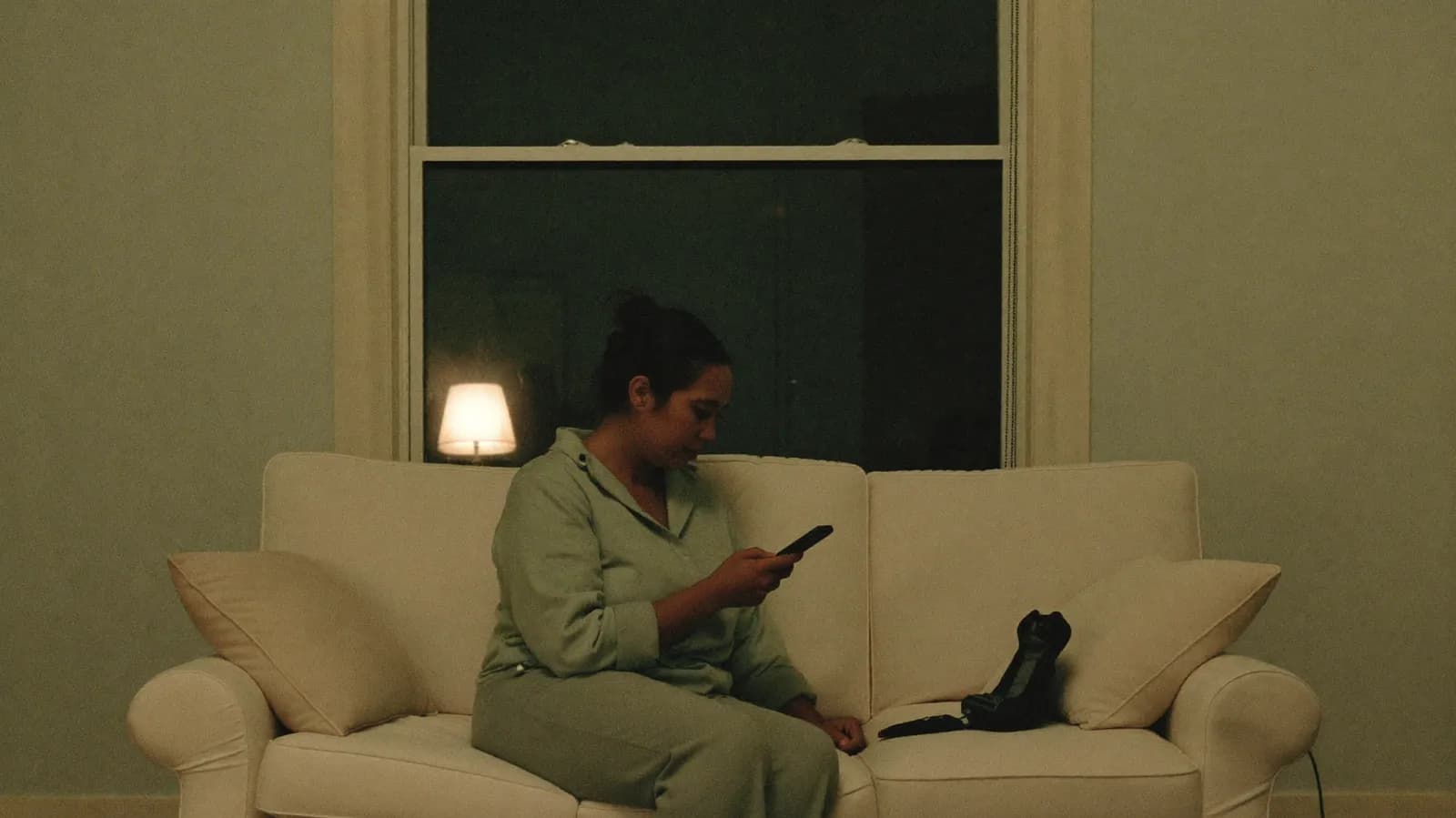
Your phone rings at eleven at night and you already know it is not going to be someone asking how you are.
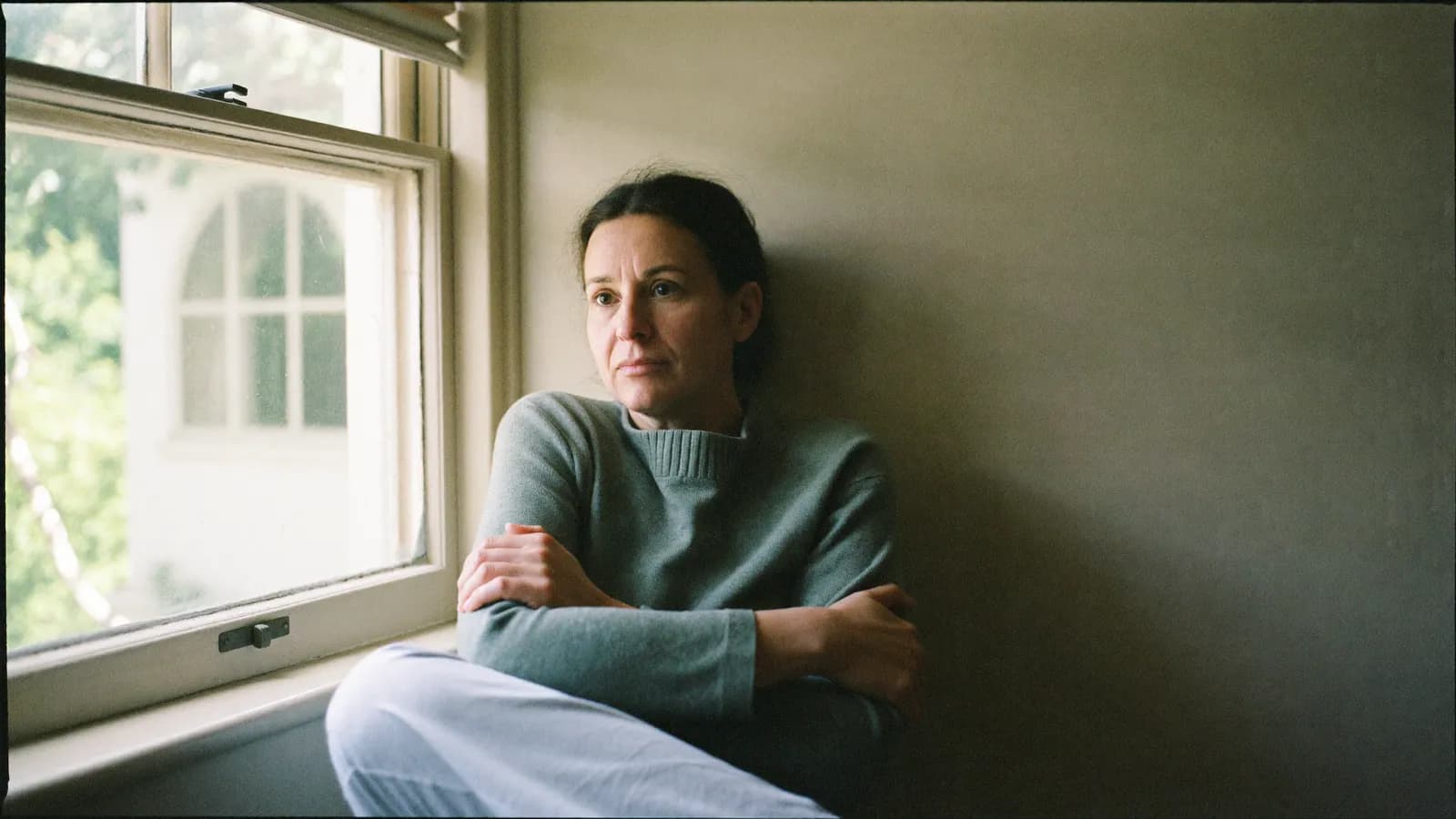
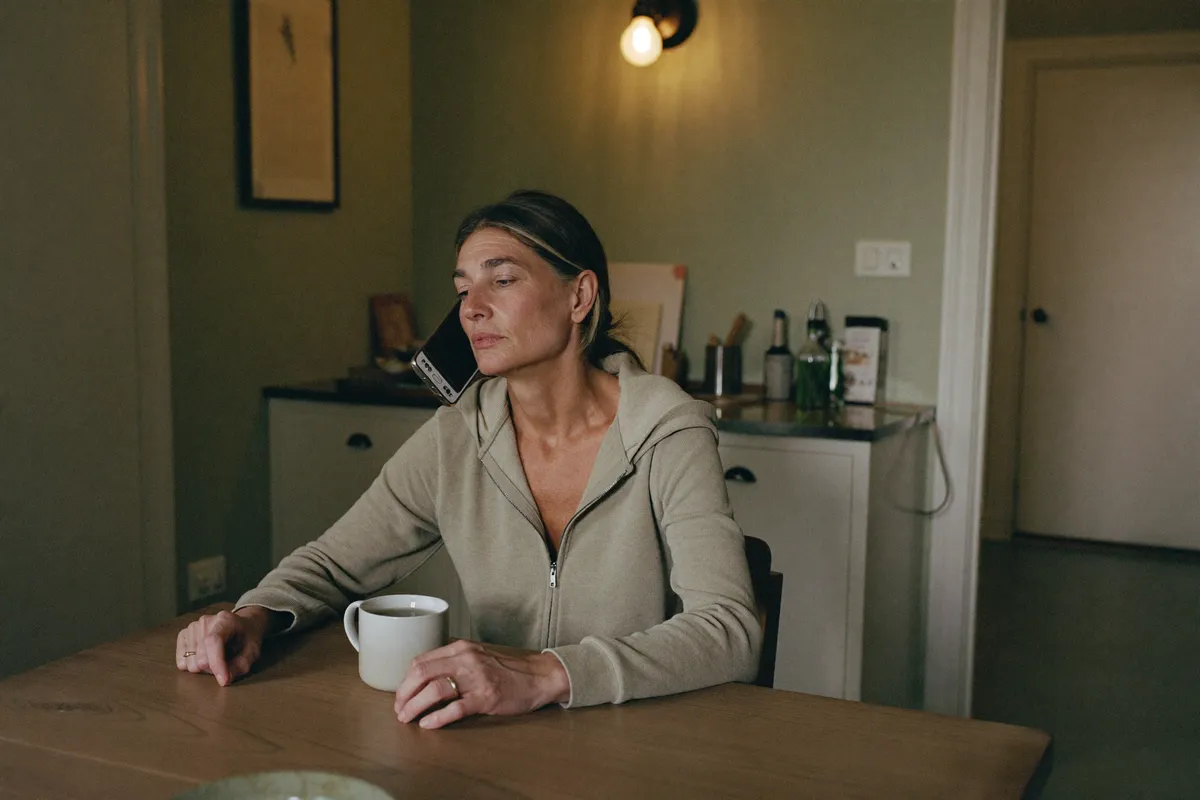
You take it anyway. You are good at this. You know the right questions, you remember the name of her manager and the date of the scan, and by the time you hang up she feels lighter. You put the phone face down and sit in the dark kitchen for a while, and there is nobody you would call back.
That gap has a name now. People say strong friend syndrome, and while the term is not a diagnosis, it describes something real with unusual accuracy.
What is strong friend syndrome?
Strong friend syndrome is the pattern of becoming your circle's designated capable one. You get the crisis calls. You are the one who books the taxi, drafts the difficult message, arrives with food, and knows which week in November is hard for which friend.
What you do not get, usually, is the same in return. Your friends are not selfish. Everything about you says handled, and people believe what they are shown.
The role has a strange shape from the inside. You are surrounded by people who love you, and you are also alone in the room.
Where does "check on your strong friend" come from?
The phrase spread widely through Black communities and Black mental-health advocacy online, often in the wake of a suicide that shocked people who had every reason to believe that person was fine. That is where it was built, by women watching each other die of being fine. If you found it from outside that community and recognised yourself in it, that is worth being honest about rather than quietly absorbing the language.
There is research describing the same shape. In 2010, Cheryl Woods-Giscombé published a study in Qualitative Health Research on what she called the Superwoman Schema, built from focus groups with African American women. Her participants described an obligation to project strength, to suppress emotion, to resist vulnerability, and to help others before themselves. She was not sketching a personality type. She was working on why Black women's health outcomes were worse than the medical system could explain.
The women in those groups named the benefits of the role clearly, including the preservation of themselves and their families. They also named the liabilities: strained relationships, stress-related health behaviours, and stress itself.
The strength schema is not the property of one group of women, and it also did not arrive from nowhere.
Why does nobody check on the strong friend?
Here is the uncomfortable mechanism.
People read your signals and draw the obvious conclusion. Nobody sat down and decided to stop asking. Every time you say I'm fine, tell me about you, every time you turn a question back within four seconds, every time you handle something enormous and mention it afterwards as though it were an errand, you are teaching the people around you where you sit in the group.
They learn it. Then they act on what they learned.
And the awful efficiency of it is that the lesson takes years to teach and about ten minutes to notice. One day someone in the group has a bad week and four people descend with soup, and you find yourself doing arithmetic about the last time anyone asked you a second question after you said you were fine.
You have not been forgotten. You have been categorised, largely by yourself.
What are the signs of strong friend syndrome?
- Your phone rings in a crisis and almost never on an ordinary Tuesday
- You know the details of everyone's situations, and they know the headline of yours
- You deflect concern reflexively, often with humour, before you have decided to
- You have thought the sentence if I fell apart, this whole thing would stop working
- Telling a friend you are struggling feels like handing them a bill
- You have edited a message about your own hard week down to nothing and sent a meme instead
- When someone does ask properly, you feel exposed rather than relieved
If you are always the strong friend, three or more of those will read as a description rather than a list.
What does being the strong friend cost you?
The obvious cost is exhaustion, and strong friend burnout is the version people write about. Two quieter costs matter more.
You stop being known. Not unloved, not unwanted, just steadily less visible. The people closest to you hold an out-of-date picture of your life, because the version you hand out is the abridged one. Over years, being loved for an edited self is its own kind of loneliness, and it is worse than being alone.
You lose the muscle for receiving. Giving is a skill and you have practised it for decades. Receiving is also a skill, and yours has gone soft from disuse. So on the rare occasion someone shows up for you properly, it feels less like relief and more like standing in a doorway you do not know how to walk through. So you say thank you three times, too brightly, and change the subject to their weekend.
This is the same architecture I describe in the strong one, running inside your friendships rather than your family or your marriage.
Why you cannot just ask for help
Asking is the easy part. What sits underneath it is not.
Somewhere along the way you concluded that your needs were larger than other people's capacity to meet them. That belief wears the costume of consideration. Of realism. Of knowing that everyone has enough on already. So you round your own situation down before you speak it, every time, automatically. I have written about that reflex elsewhere, in the fear of being a burden.
There is a second block sitting next to it. If you are the strong one, needing something threatens the arrangement your worth is built on. Being reliable is how you have been valuable to people for a very long time. Saying actually, I am not coping asks you to find out whether you are still wanted when you are not useful, and most strong friends would rather not run that experiment. That is hyper-independence doing what it was built to do.

How to stop being the strong friend
Not by pulling away. The common first move is to go quiet, wait to be noticed, and grow resentful when nobody does. It is understandable and it does not work, because the people around you will read the silence as you being fine and busy.
Try smaller and stranger things instead.
- Answer one check-in question honestly. The next time someone asks how you are, do not redirect. Say one true sentence. Not the whole story, just one, unedited.
- Let one person see something unfinished. The house untidy. The plan not thought through yet. Strong friends tend to present only completed things, and being witnessed mid-mess is how people learn you are a person rather than a service.
- Ask for something small enough to be easy to give. A lift, an opinion, twenty minutes on the phone. You are collecting evidence against an old belief. Whether they say yes is almost beside the point.
- Notice who moves. When you do let something show, some people step forward and some change the subject. That information is valuable and you have probably never gathered it.
- Practise receiving badly. Let the thank-you be awkward. Let yourself be uncomfortable for the whole duration of someone helping you, without fixing it, without repaying it inside the week. The discomfort is not a sign it is going wrong. It is the muscle working.
And if what you are carrying is genuinely heavy, please tell someone qualified. Strong friends are usually poor judges of when their own situation has crossed a line. The bar is lower than you think it is.
The strong friend needs a friend. That is the whole of it, and it changes one honest sentence at a time, usually with someone who has been waiting years for you to say one.
Being the strong friend is one shape the pattern takes. There are others, and yours has a particular origin. The free Sacred Path quiz reads which one is running you and names it in about two minutes. It asks nothing of you, which by now you may find suspicious. Take it anyway.
This is reflection for self-understanding, not therapy or medical advice. If you are carrying something heavy and have nobody to tell, please consider speaking to a qualified therapist or, in a crisis, a helpline in your country.
Common questions
What is strong friend syndrome?
Strong friend syndrome is a popular term, not a clinical one, for the person in a friendship group who becomes the designated capable one. She gets the late-night calls, remembers everyone's hard anniversaries, and gives advice that people actually follow. What she rarely gets is the same treatment in return, because her competence reads to everyone else as evidence that she does not need it.
Why does nobody ever check on the strong friend?
Mostly because she has never given them a reason to. People respond to signals, and hers all say handled. When someone is consistently steady, others stop reading her as someone who might be struggling and start reading her as the fixed point they can rely on. That is a conclusion your own reliability taught them to draw.
Is being the strong friend a trauma response?
Sometimes, though not always. For many women the role traces back to a childhood where being capable was how they earned safety or approval, which clinicians describe as parentification. For others it built up slowly in adulthood through a run of crises where they happened to be the steady one. The pattern is worth understanding either way, and it does not need a traumatic origin to be costing you something.
How do you stop being the strong friend?
Start by letting one thing show, then watch what happens. When you finally let something slip, some people step forward and some change the subject, and that information is worth having. Most strong friends have never gathered it, because they have never given anyone the chance. The skill to practise is receiving, which almost always feels harder than giving.
If any of this felt like it was written about you, that is exactly what the free Sacred Path reading is for. It names your pattern and the doorway back to yourself.